Caspar Heinemann


Selected Press

Ports of Entry
By Dominic Eichler
Substack 17 October 2025
https://dominicveichler.substack.com/p/ports-of-entry

The House in which we Live: Caspar Heinemann
Alexandra Symonds Sutcliffe
Mousse Issue 81 October 2022
https://www.moussemagazine.it/magazine/caspar-heinemann-alexandra-symons-sutcliffe-2022-2/

Profile Caspar Heinemann
Larne Abse Gogarty
Art Monthly, May 2025
https://cabinet.uk.com/assets/heinemann/2025-casparheinemann-artmonthly.pdf

Caspar Heinemann
Kerstin Stakemeier
Cura, Issue 44, May 2025
https://cabinet.uk.com/assets/heinemann/2025-casparheinemann-cura.pdf


Caspar Heinemann: Adduction | Cabinet Gallery, London
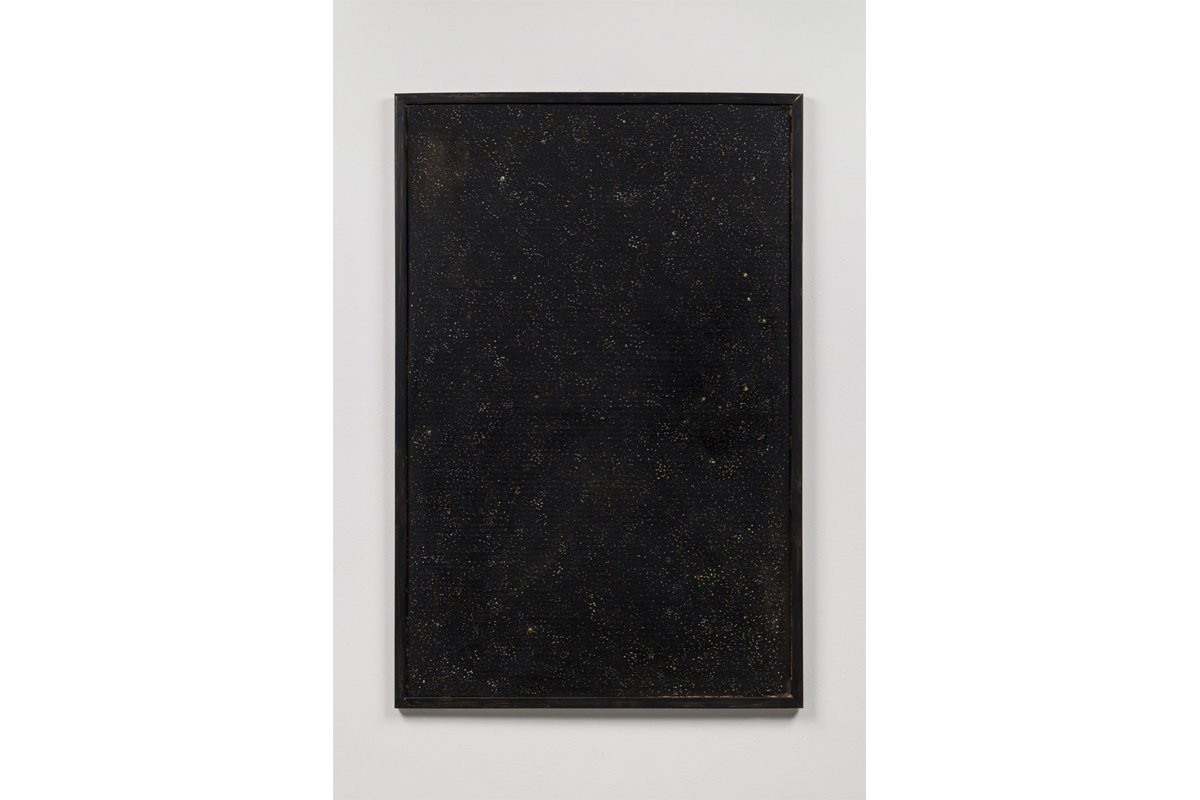
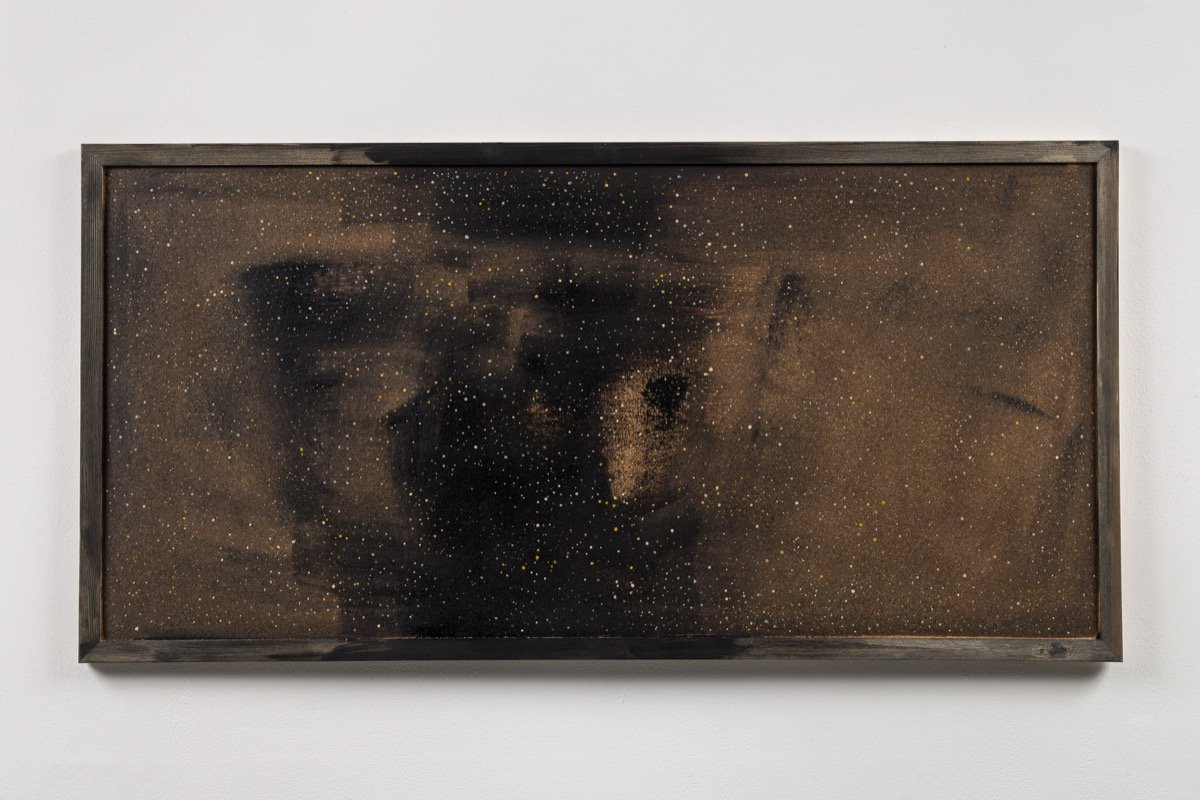
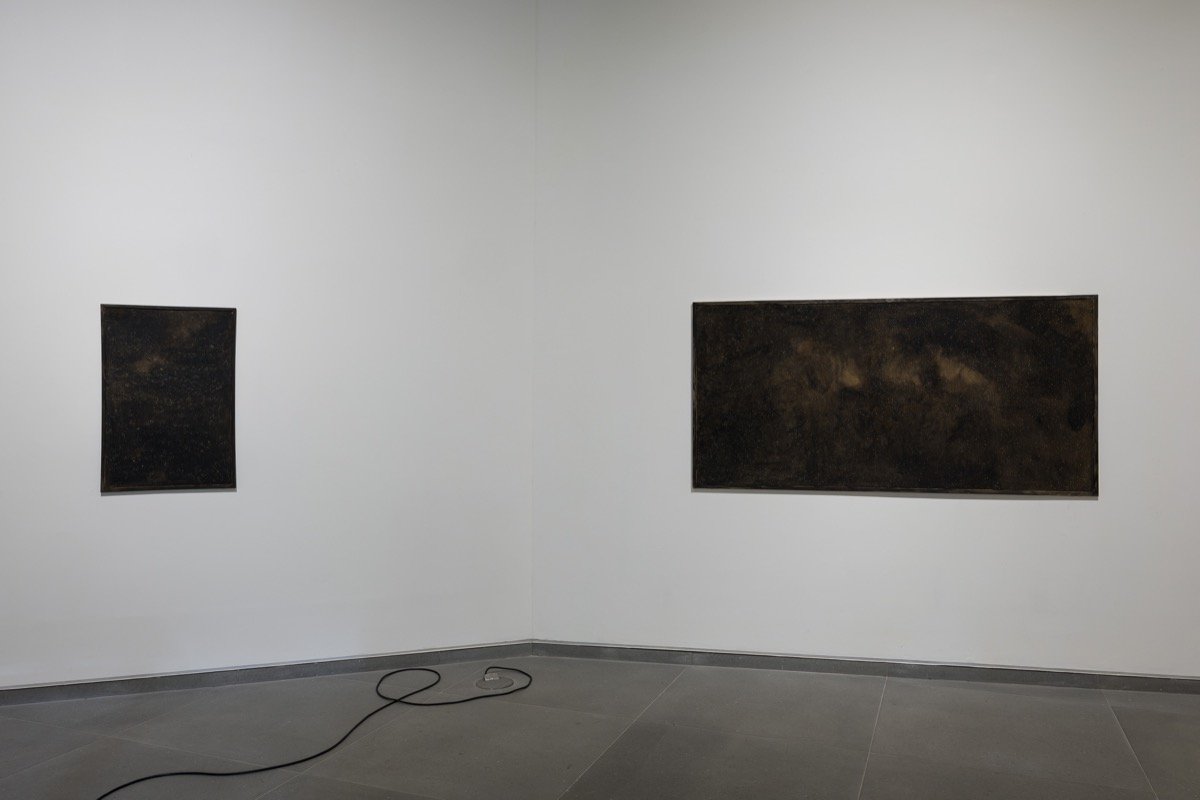
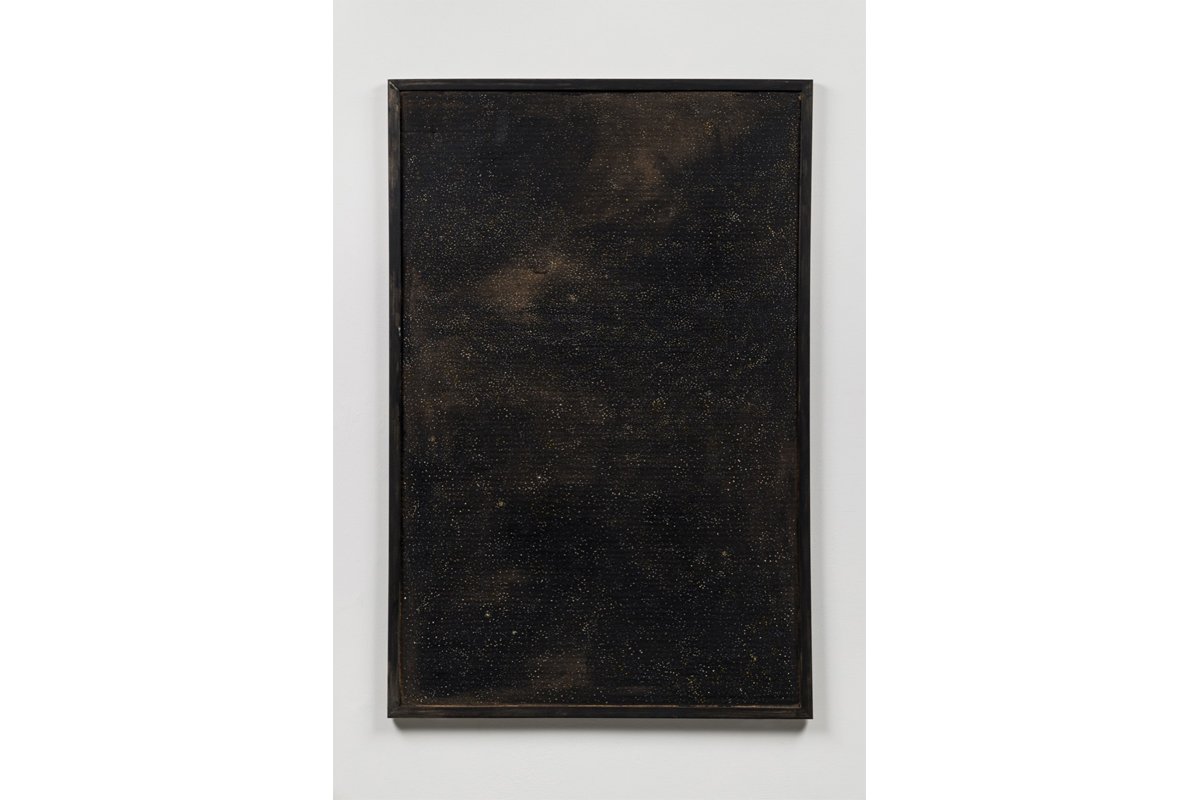
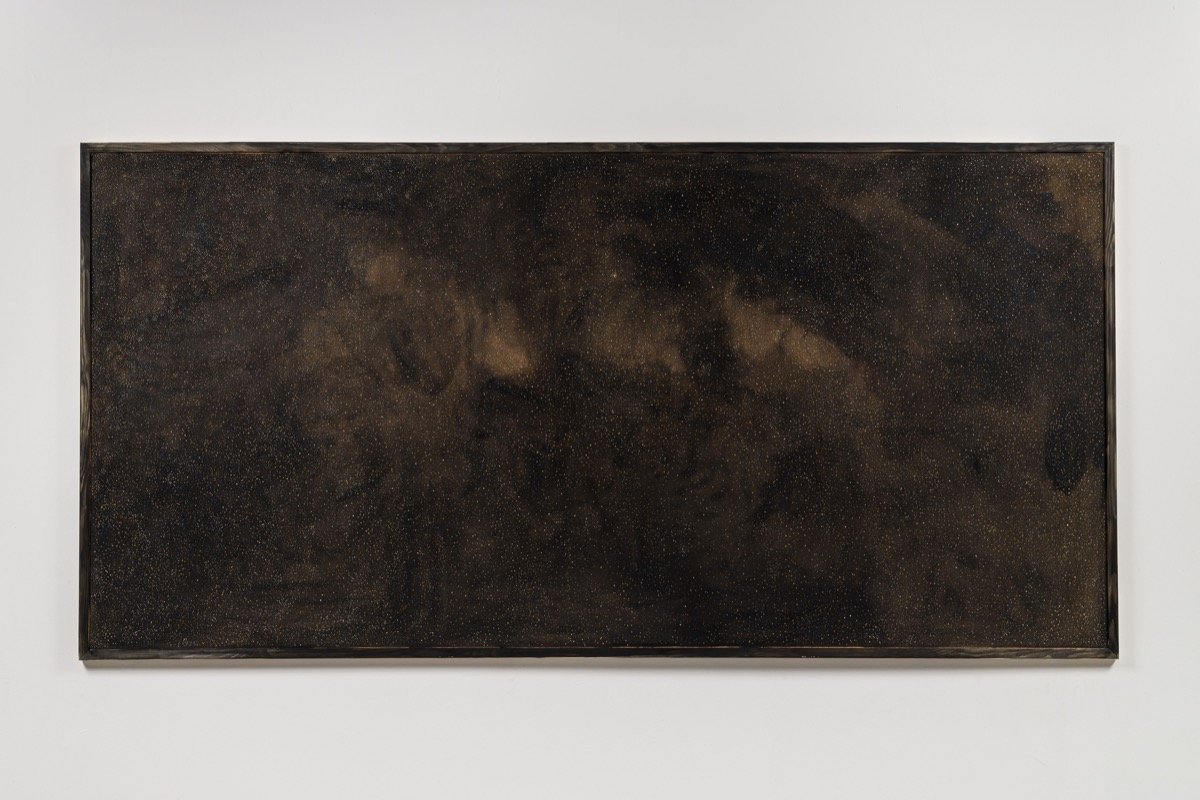
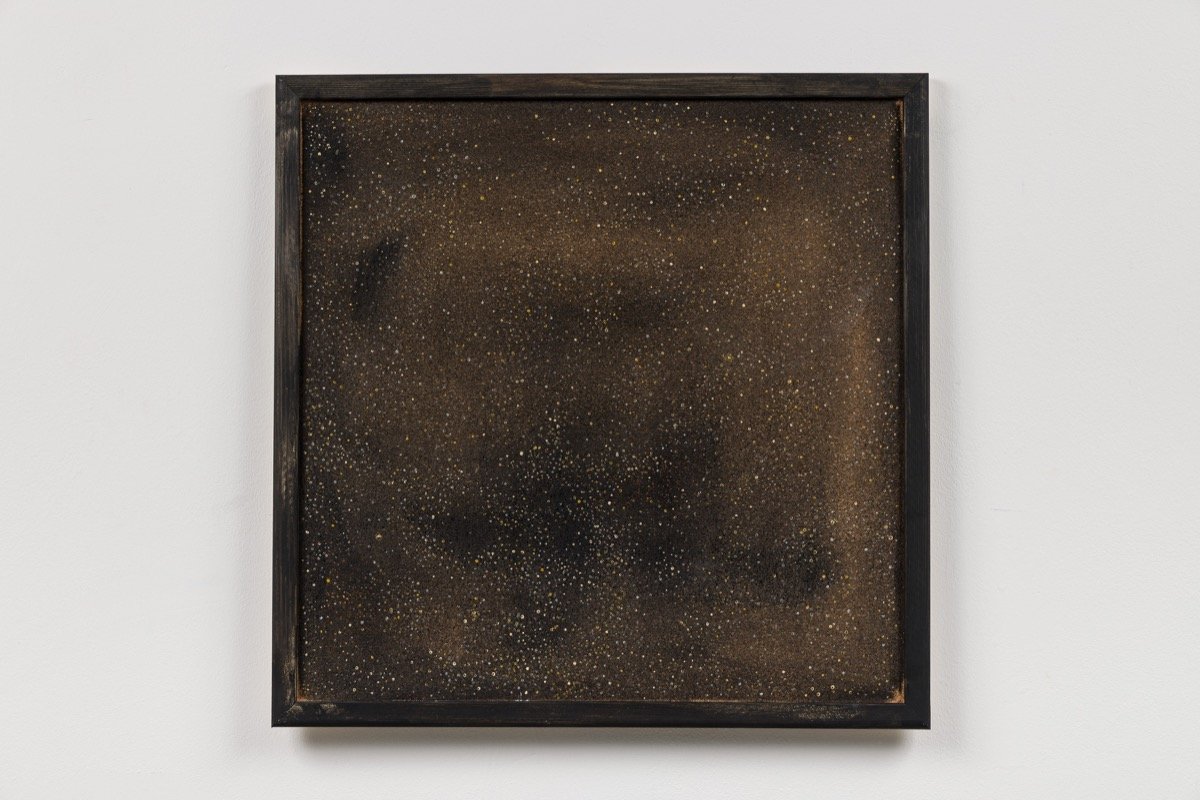
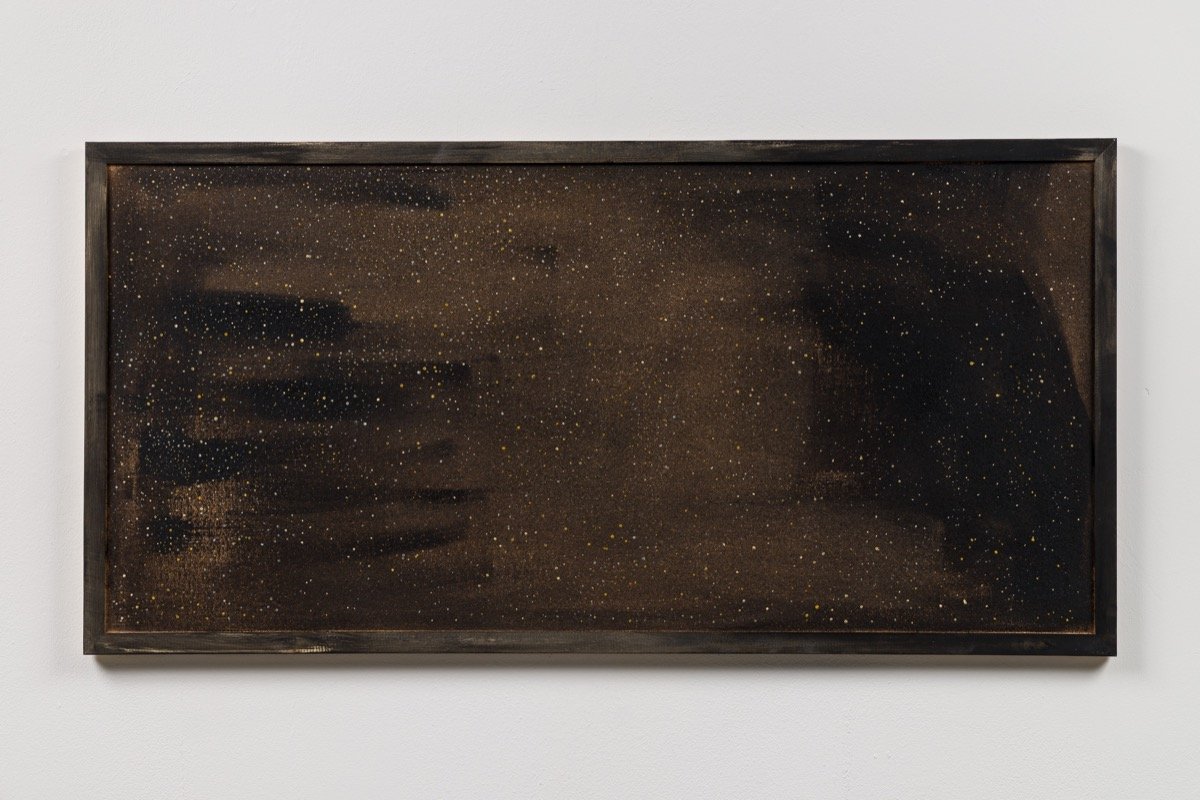
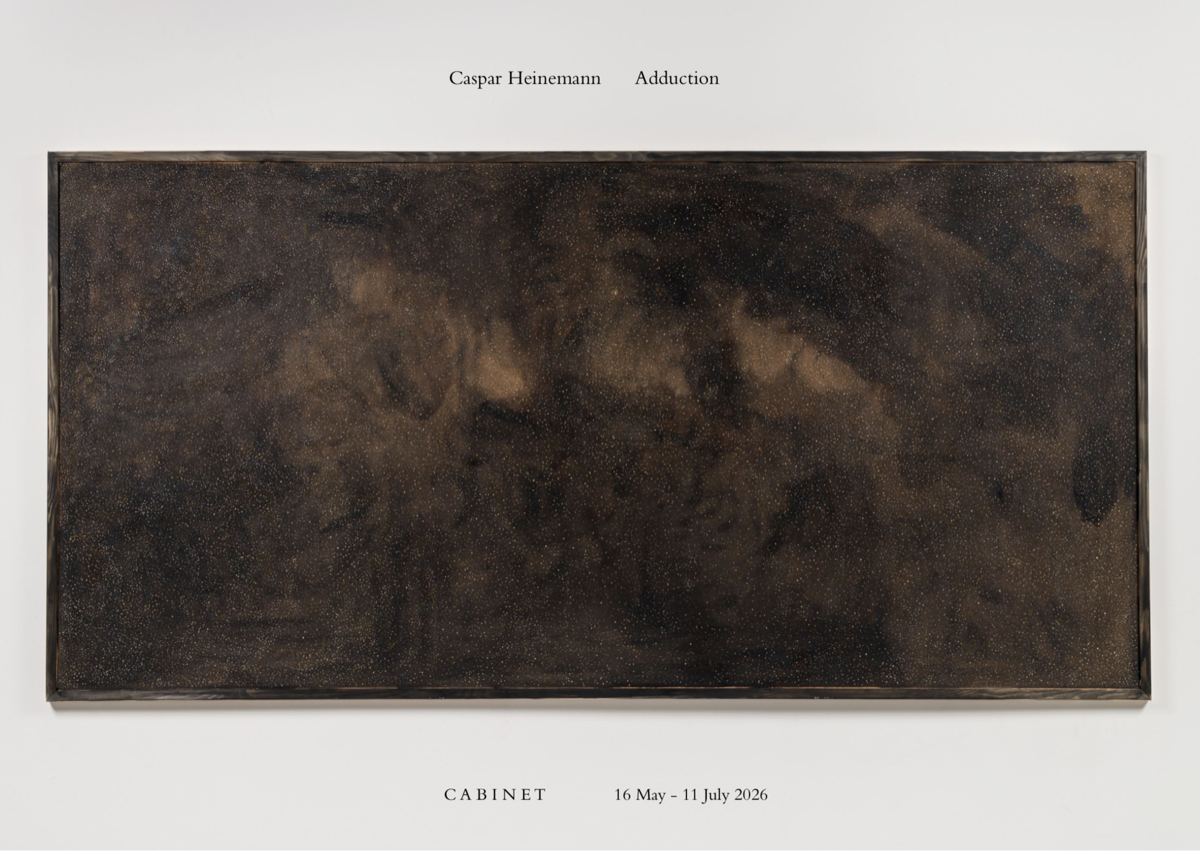
Caspar Heinemann, After the Himmelsscheibe von Nebra VII, 2026. Acrylic on cork and UV varnish in wooden frame.

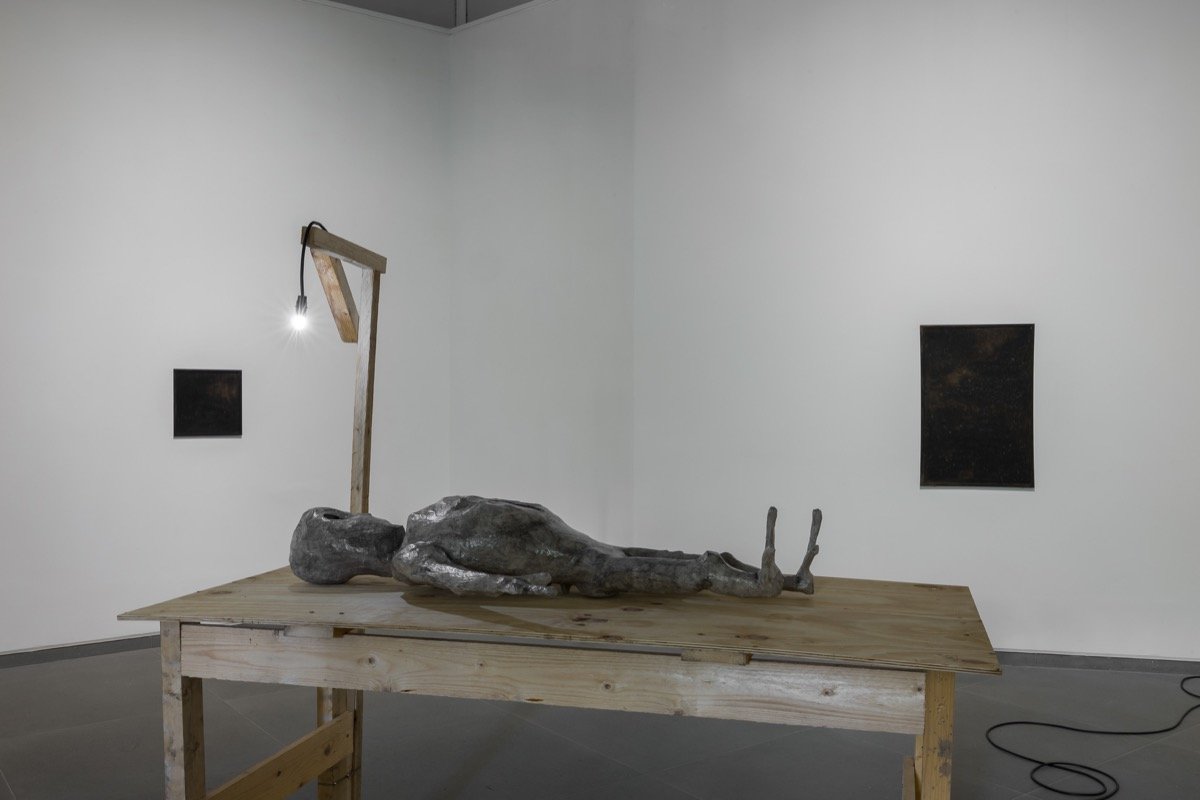
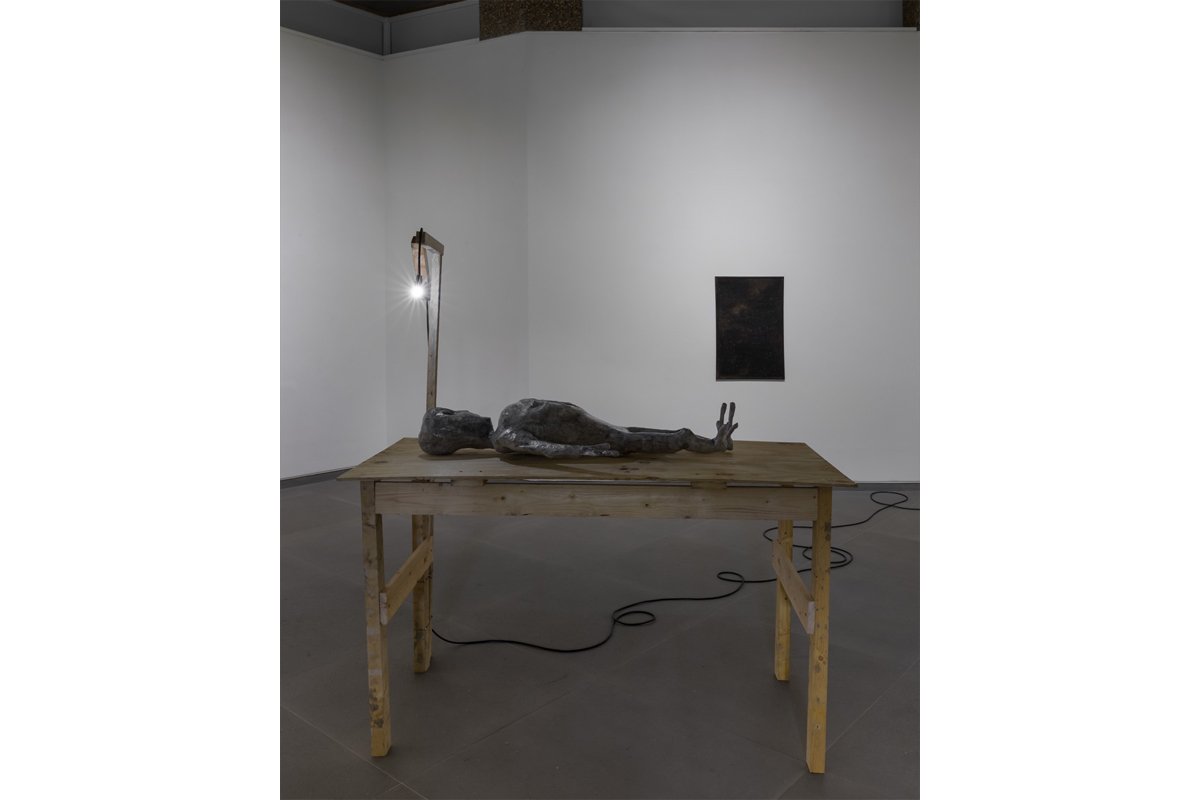
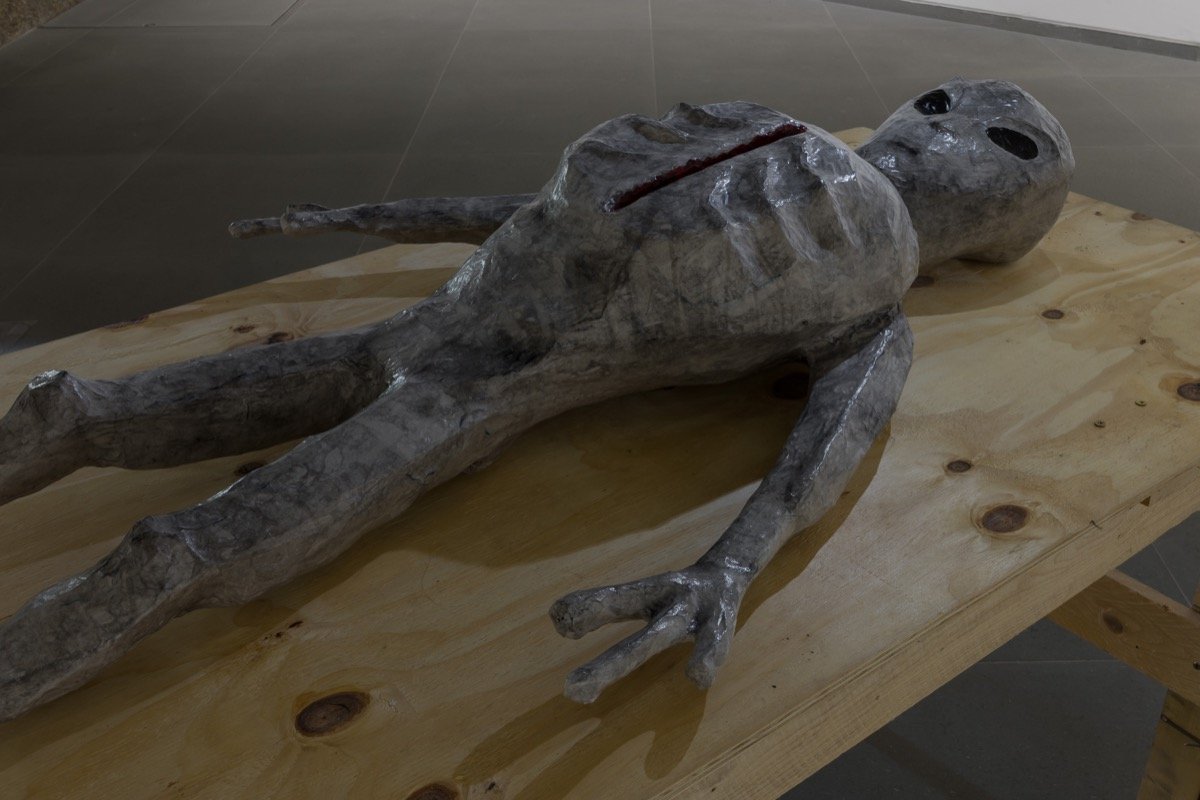
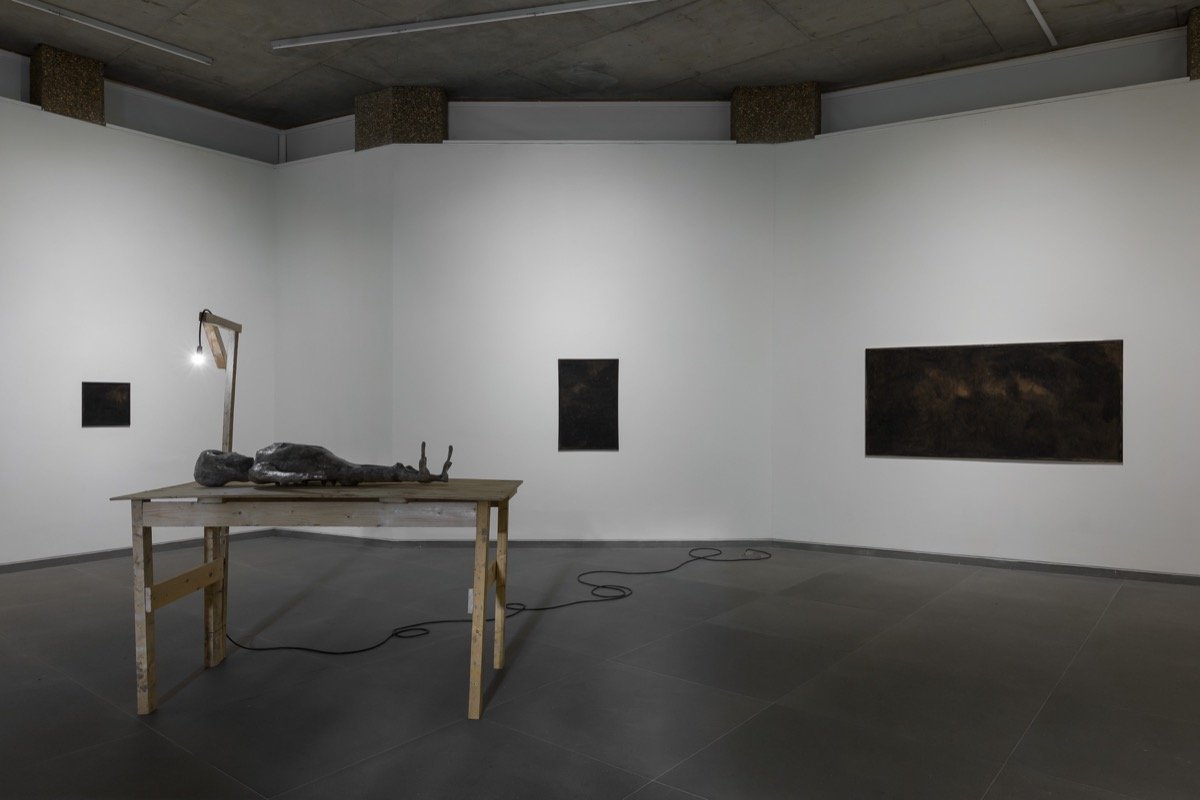
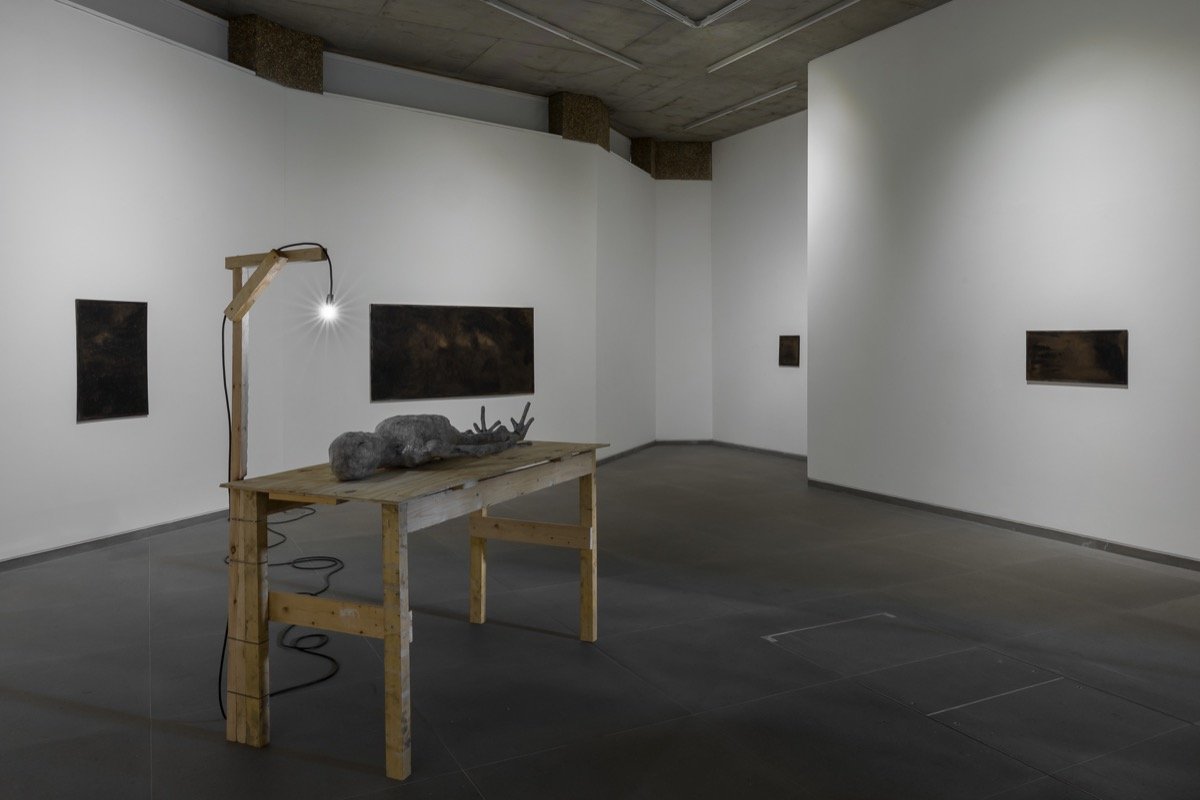
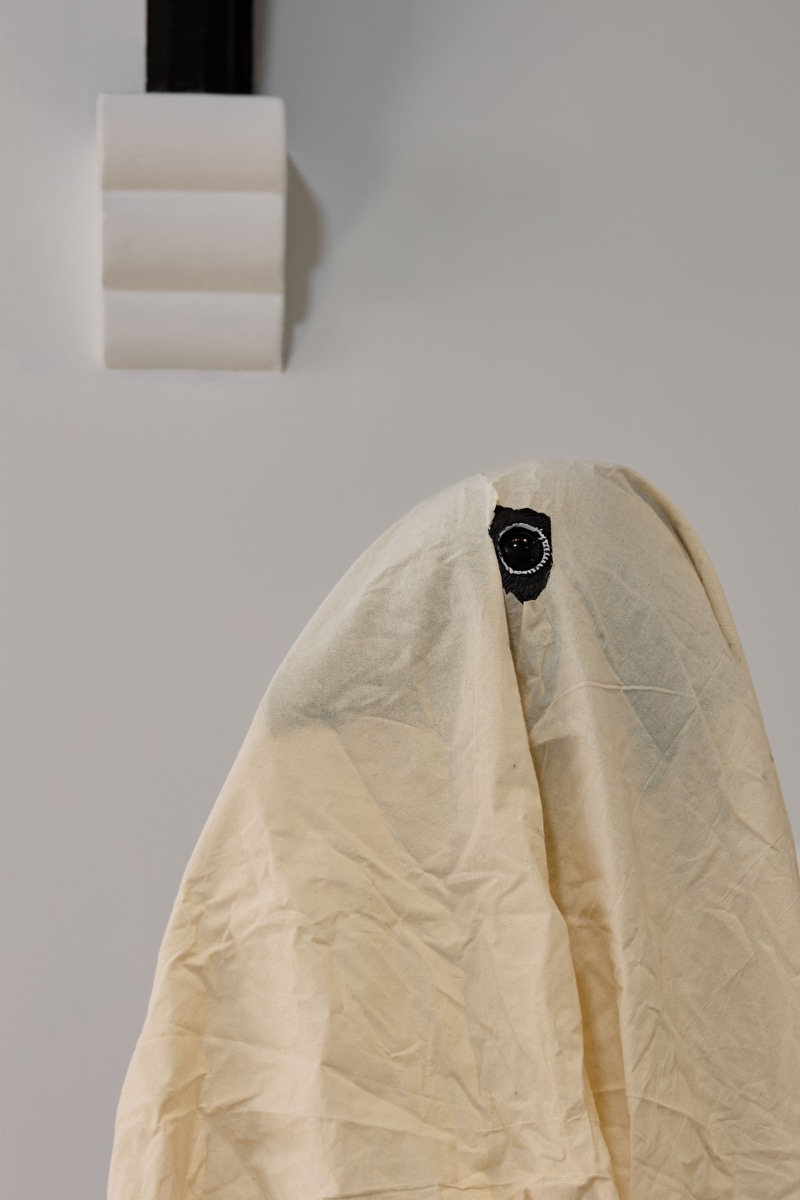
Adduction is the anatomical opposite of abduction; it refers to the movement of limbs inwards towards the centre of the body. The alien autopsy is an adduction. It reverses the fear of alien abduction, it is the alien rather than the human which is abducted and subject to experimentation, inwards to earth rather than outwards to sky. As with much UFO lore, the threat of invasion becomes simultaneously a pretext for aggression and fantasy of victimhood. The alien autopsy is always a hoax, and for that reason, this one isn’t particularly. It is a fake-dead fake-body, so we can get close to it as a dead body. As with all horror, the emotions are real.

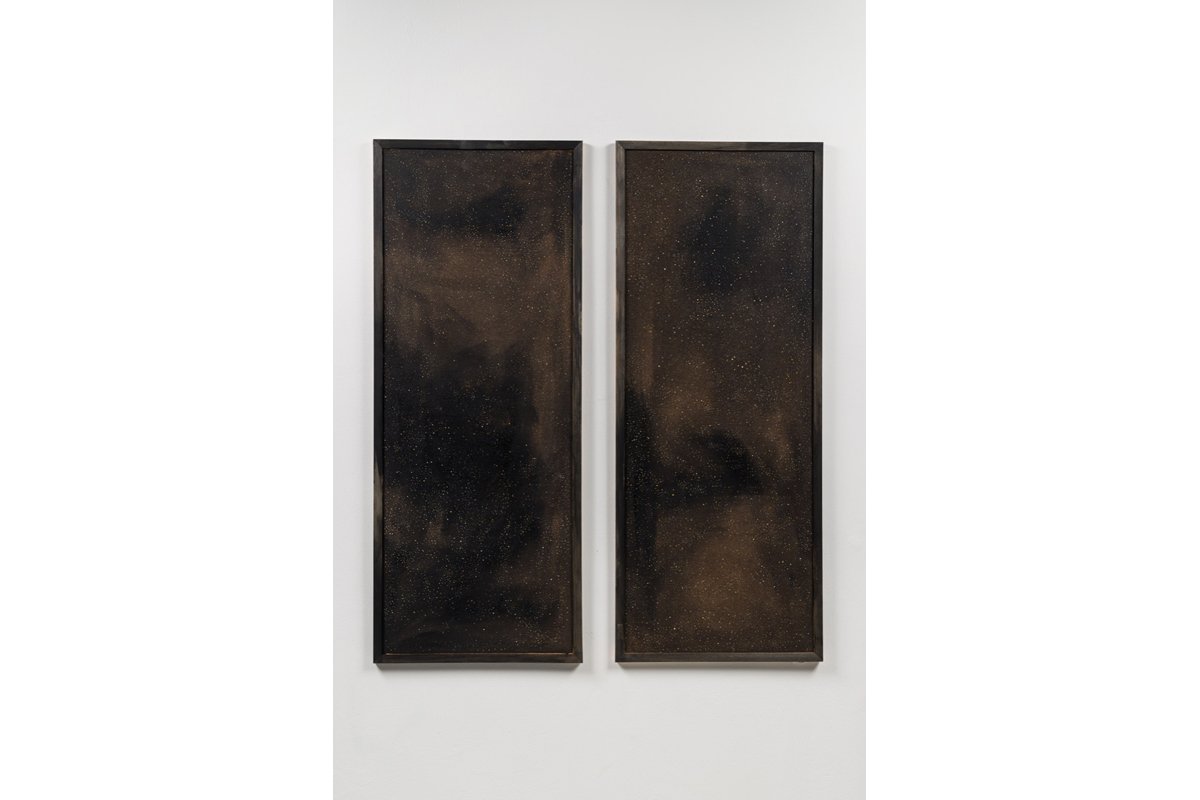
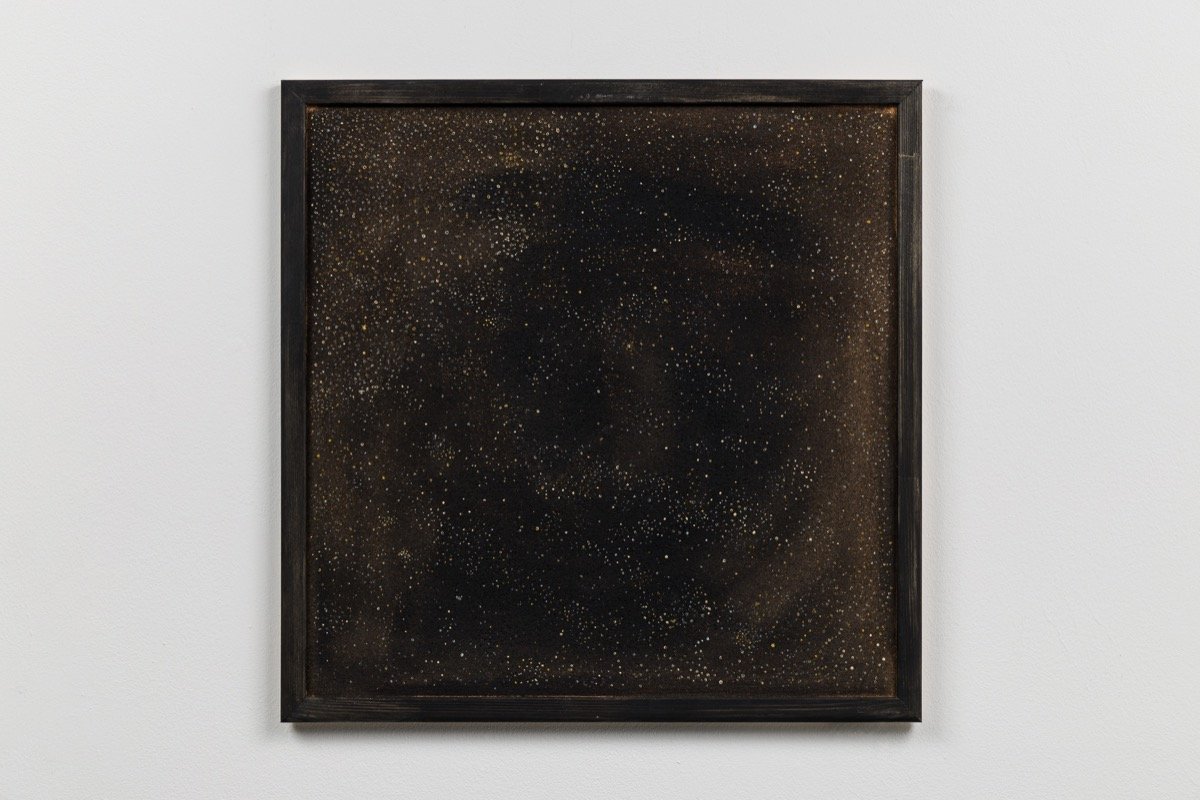
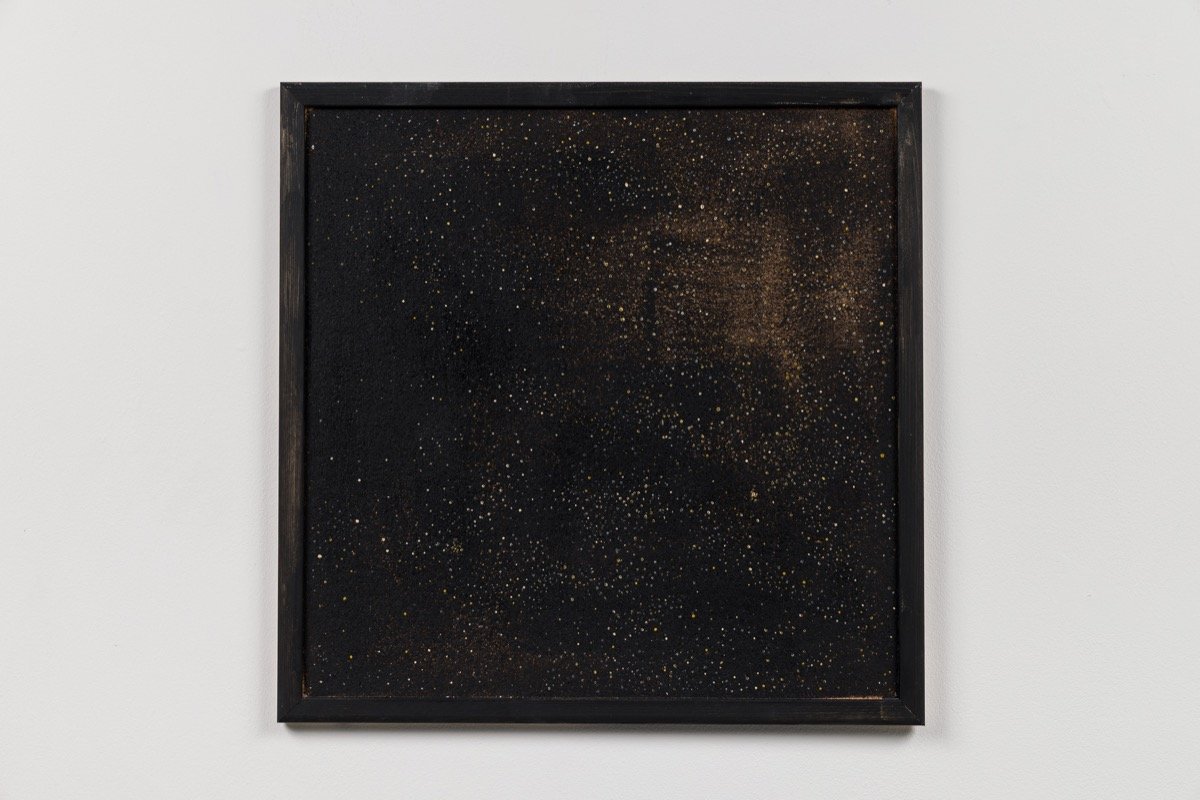
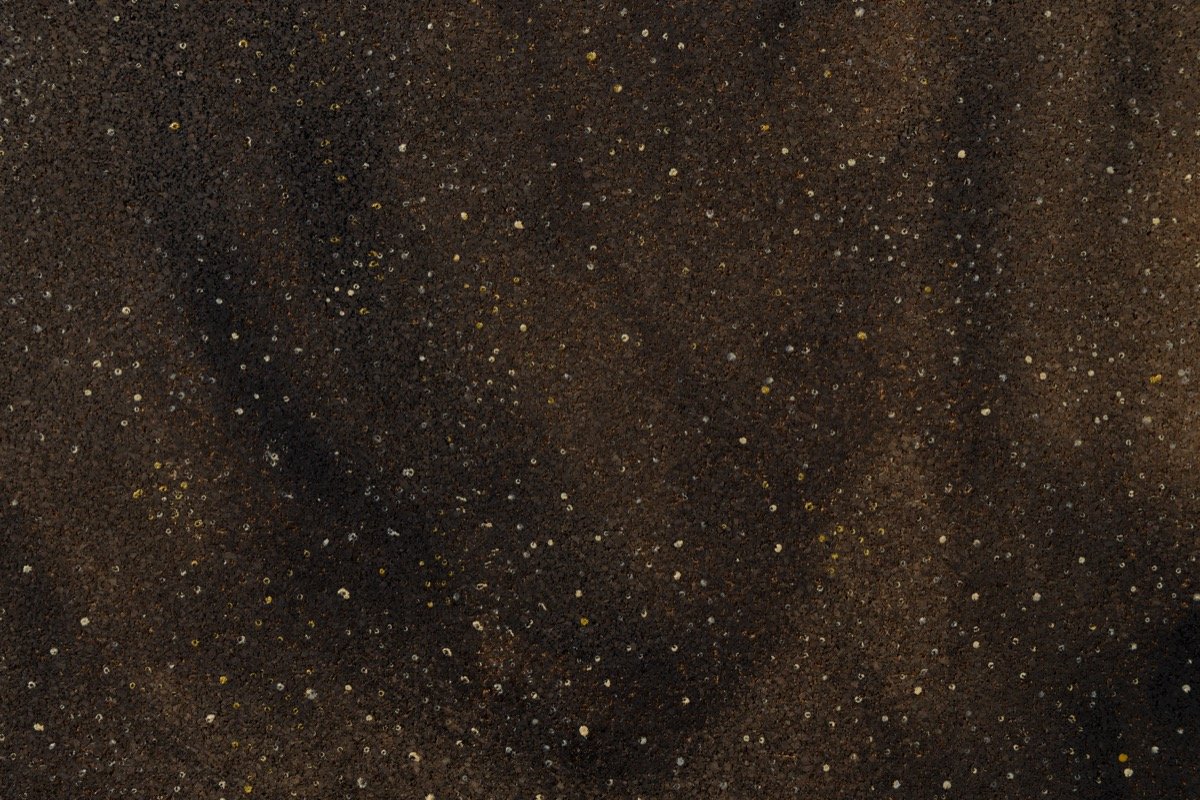
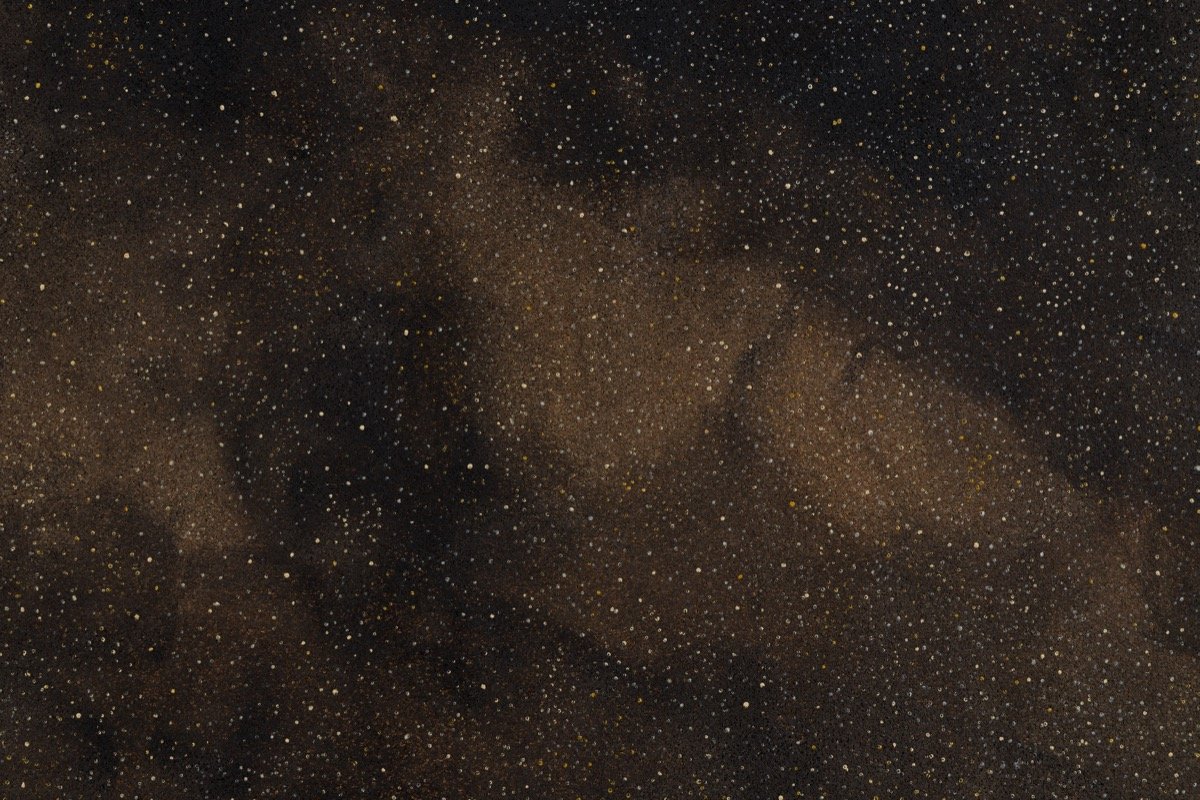
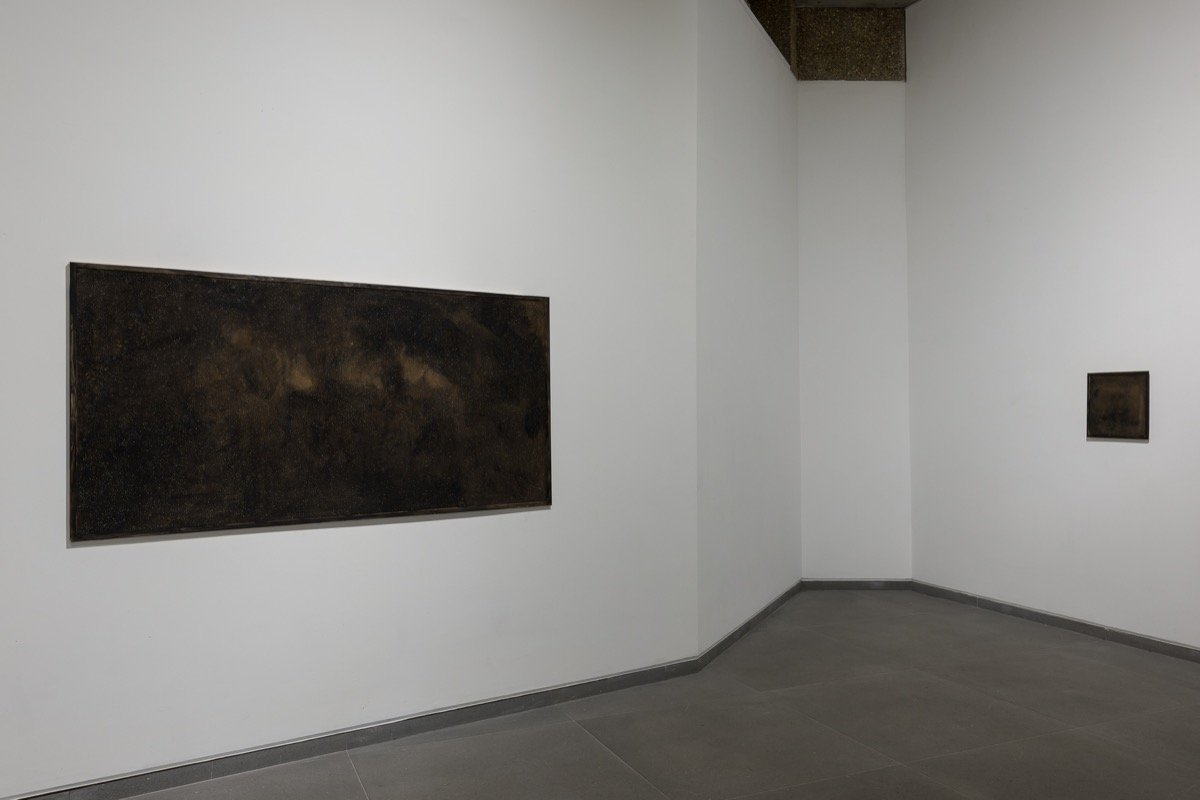
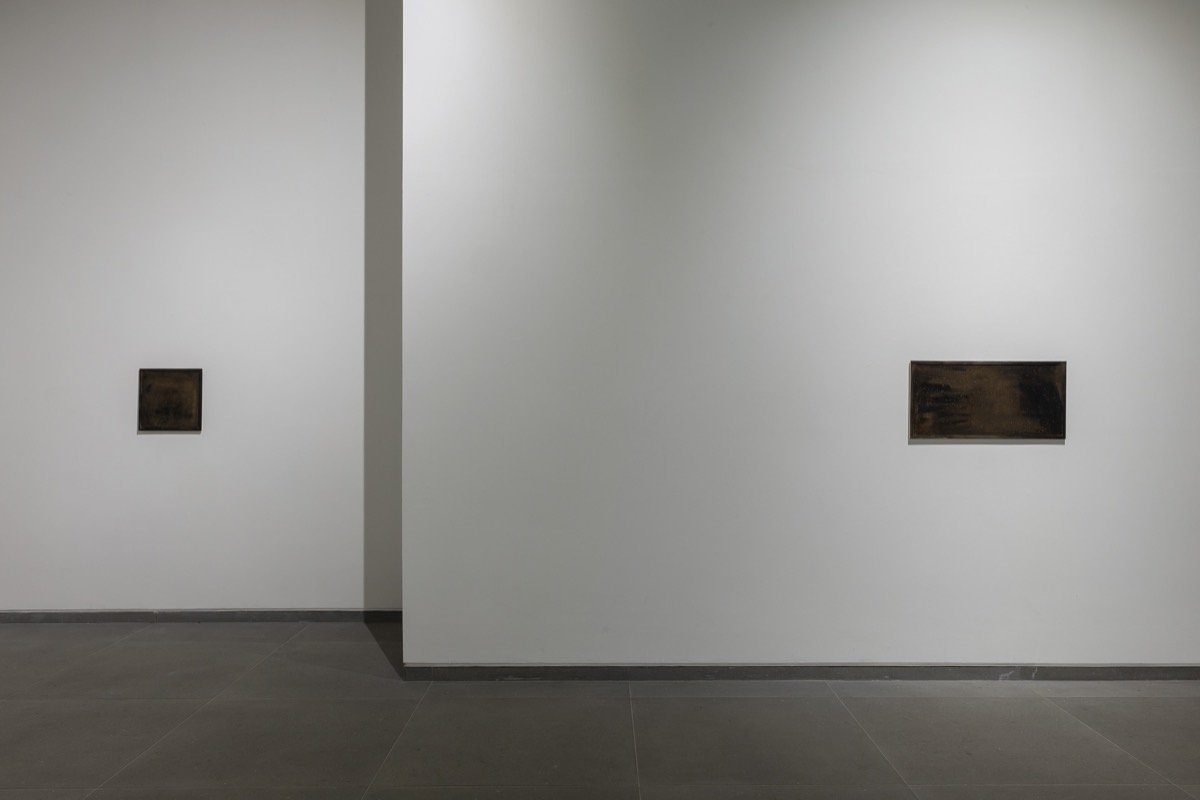
A cork board is a technology that involves stripping and framing the bark of a tree, primarily for the purpose of organising increments of time. Cork boards are often advertised as ‘self-healing’; their desirable qualities are receptivity and resilience to penetration (for the purposes of structure, order, memory). Every star is a hole that the surface is attempting to heal. The anti-accurate night sky becomes an allegorical device for the gap between a thing and its representation, and the way that this gap can both create and diminish meaning and wonder. Like the alien autopsy, paintings of the sky are always a hoax.

The Himmelsscheibe von Nebra (Nebra sky disc) is an Early Bronze Age bronze disc, the earliest known depiction of astronomical phenomena. It was discovered by metal detectorists in Germany in 1999, who immediately sold it on the black market. One of its speculated purposes is to represent a lunisolar calendar rule, demonstrating the moment when it is necessary to synchronise the calendars via the insertion of a leap month (a ‘missing time event’). Despite its relatively simple appearance, the Nebra sky disc is remarkably accurate and demonstrates a high level of astronomical understanding. The archaeologist Harald Meller speculates that this precise time-keeping technology was necessary for legitimising the emergence of state power. He posits that in this period, a shift took place from rulers as representatives of the community before the gods, to representatives of gods before the community[1]. My paintings on cork board are remarkably inaccurate and demonstrate a low level of astronomical understanding.


[1] Meller, H. (2019) Princes, Armies, Sanctuaries: The Emergence of Complex Authority in the Central German Únětice Culture. Acta Archaeologica, Volume 90, Issue 1 May 2019. P 39-79
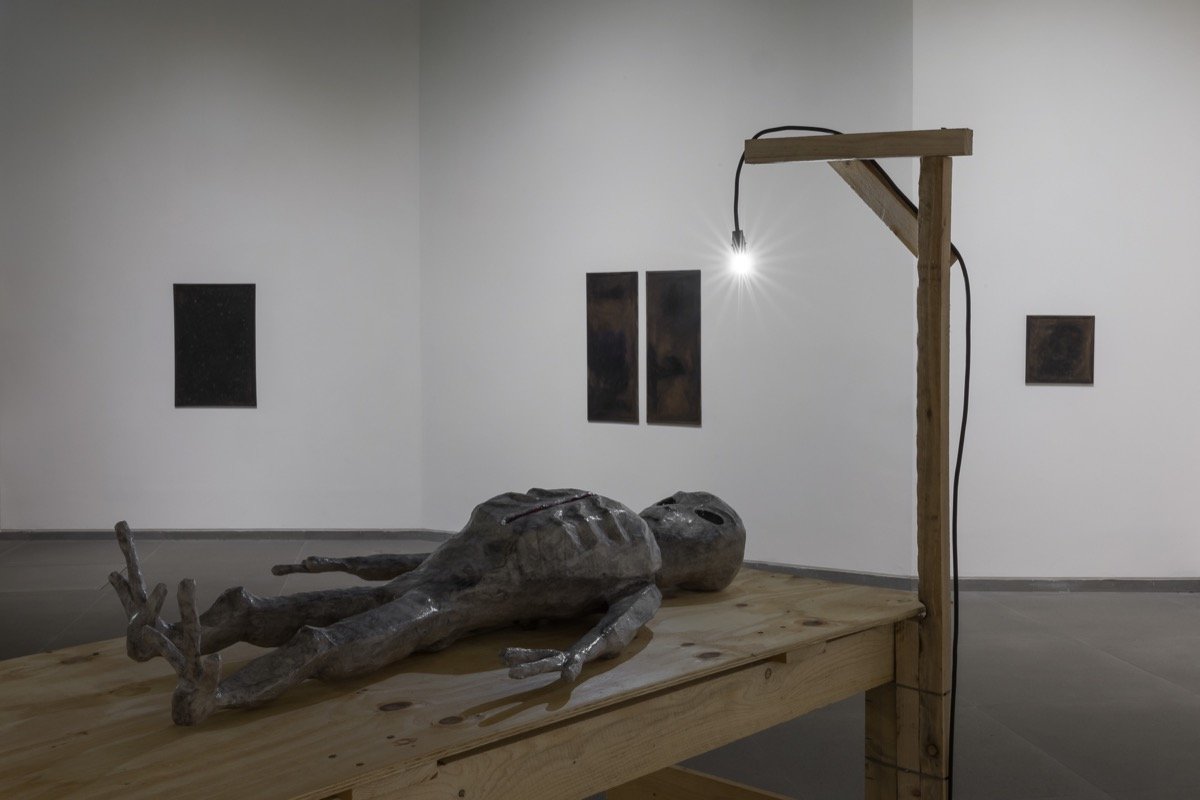
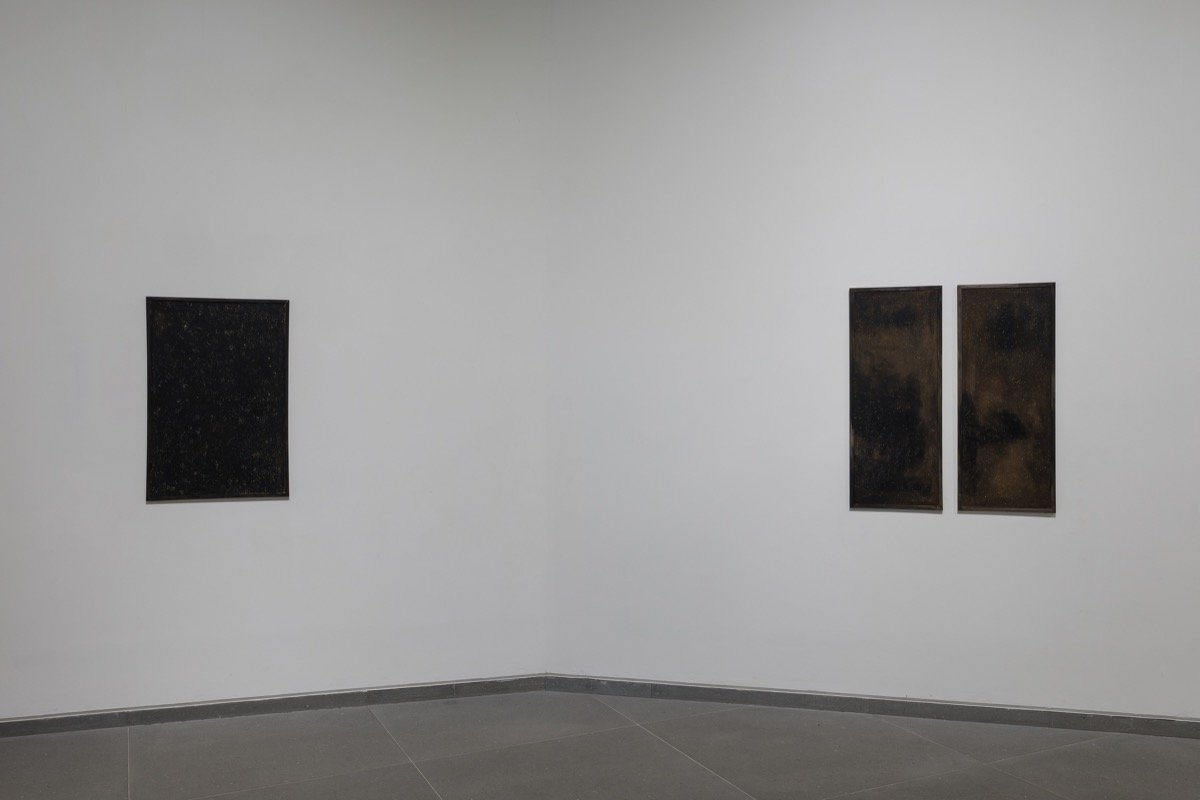
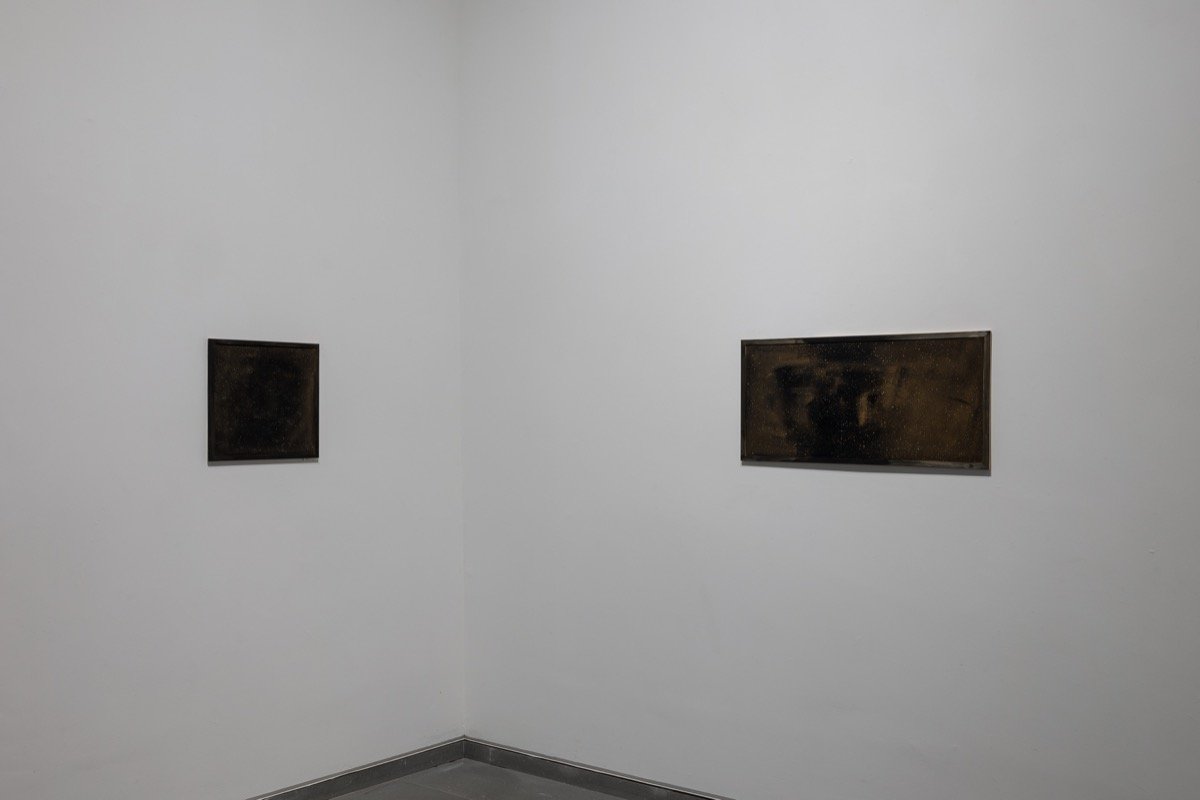
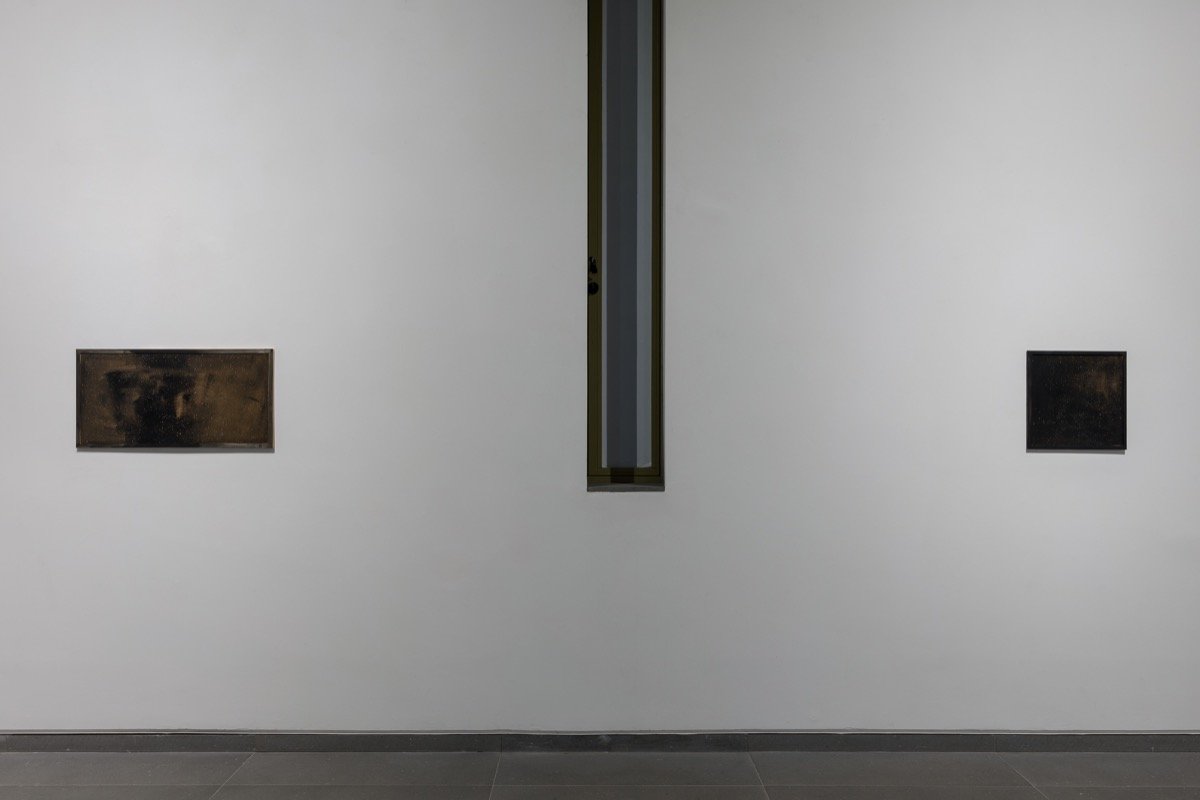
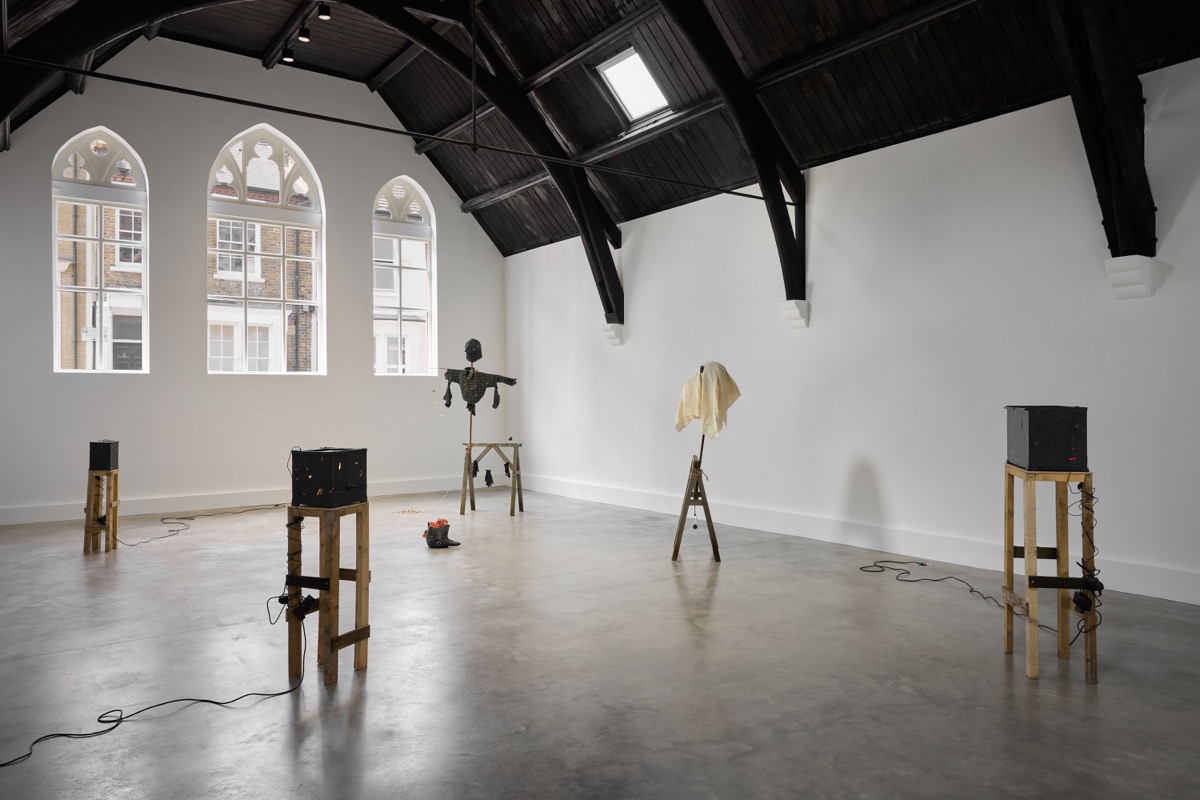
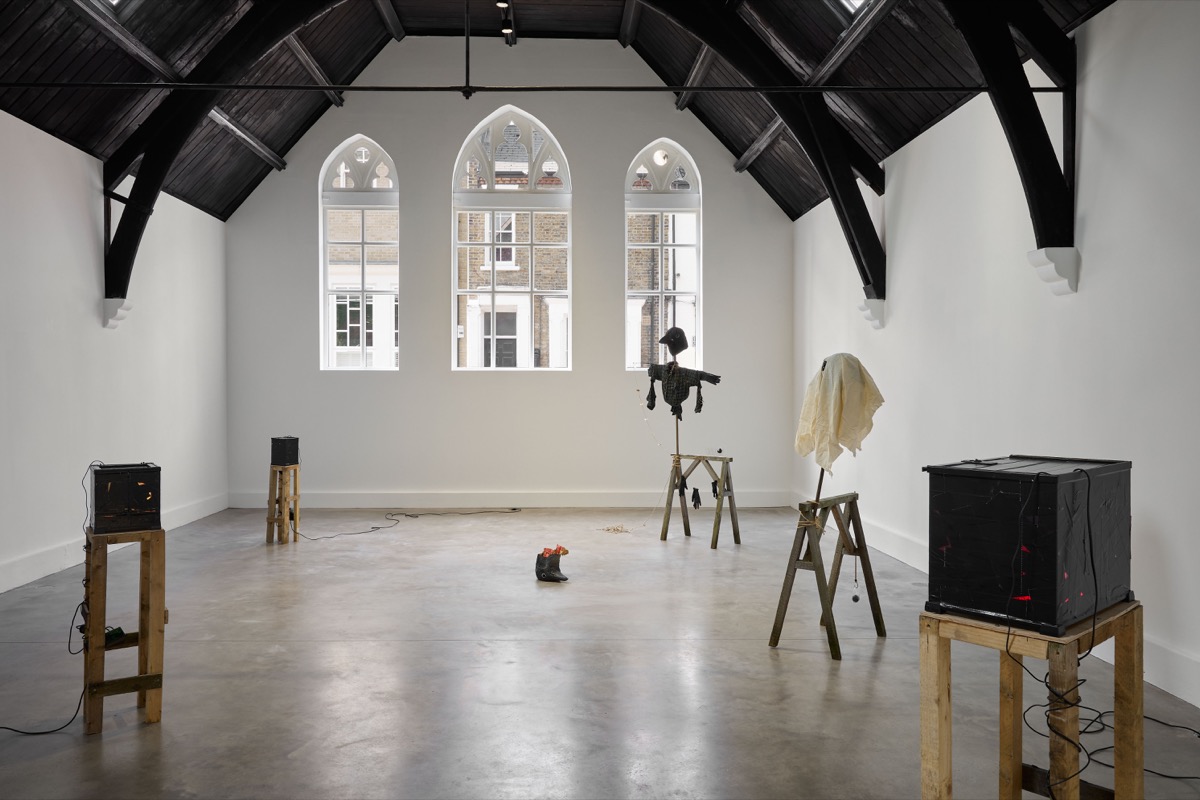
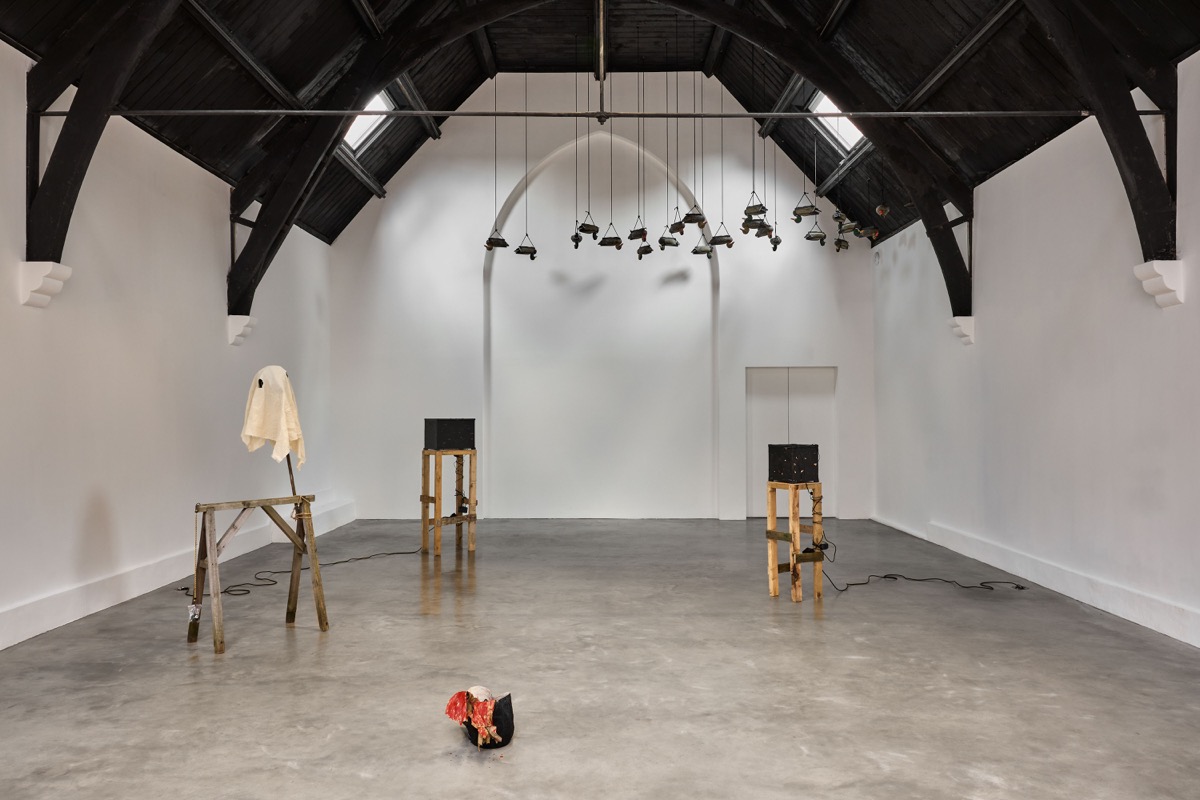
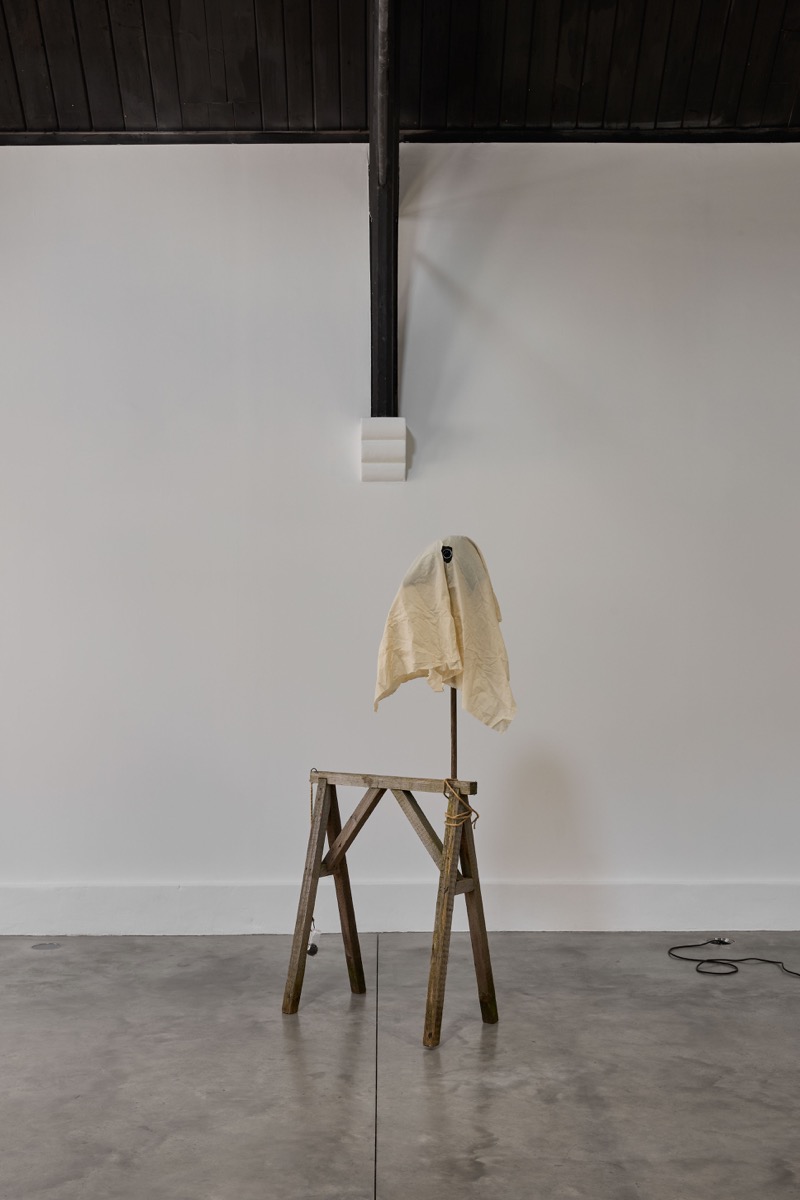
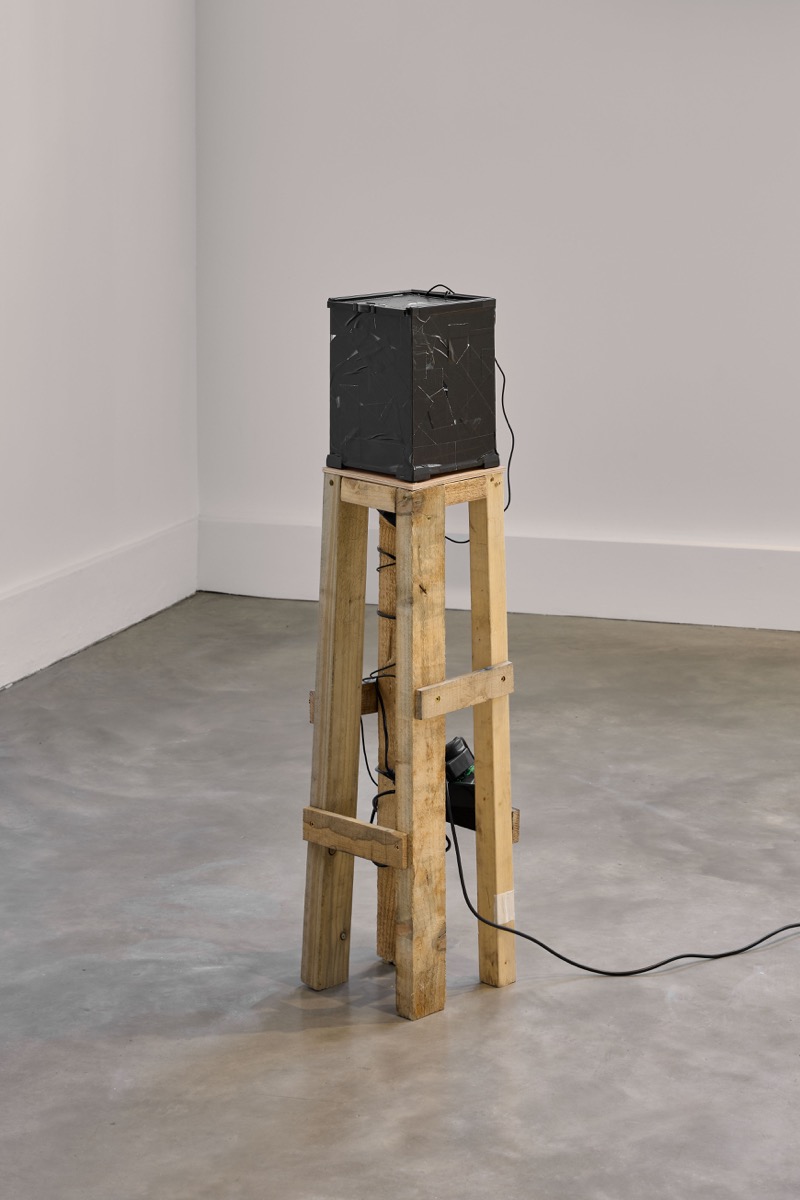
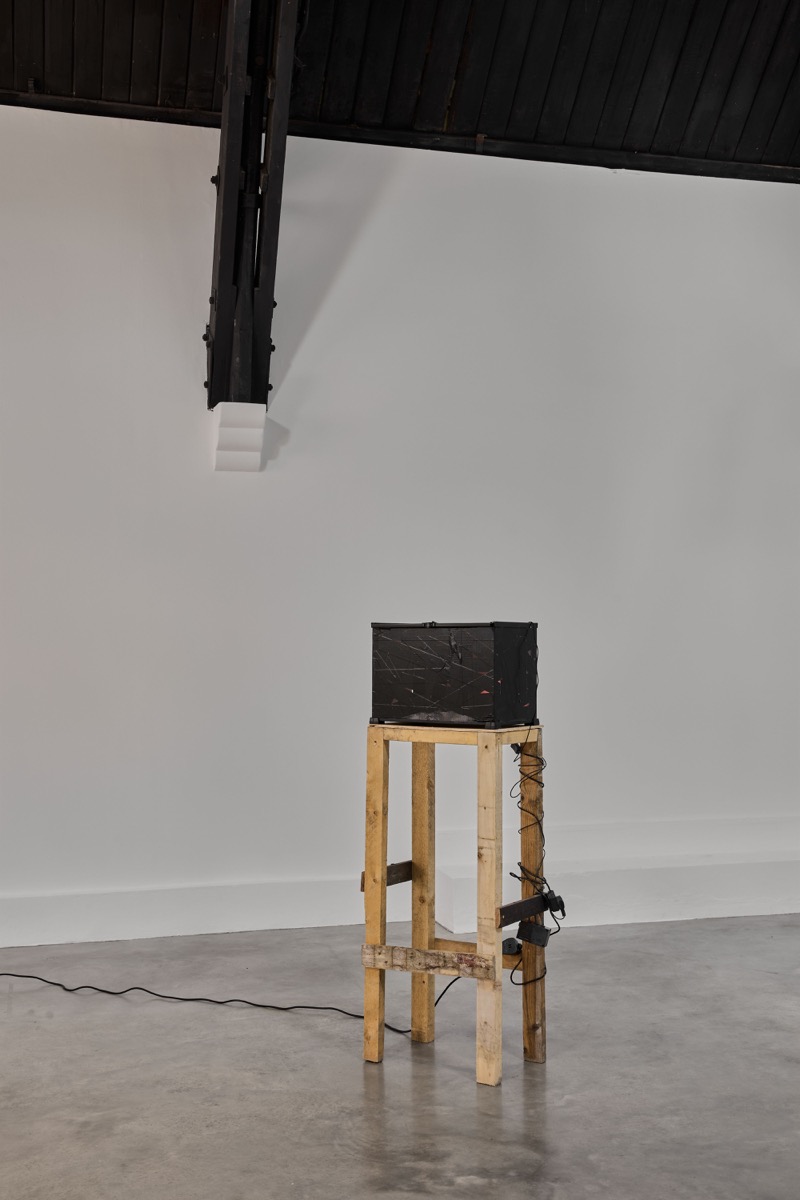
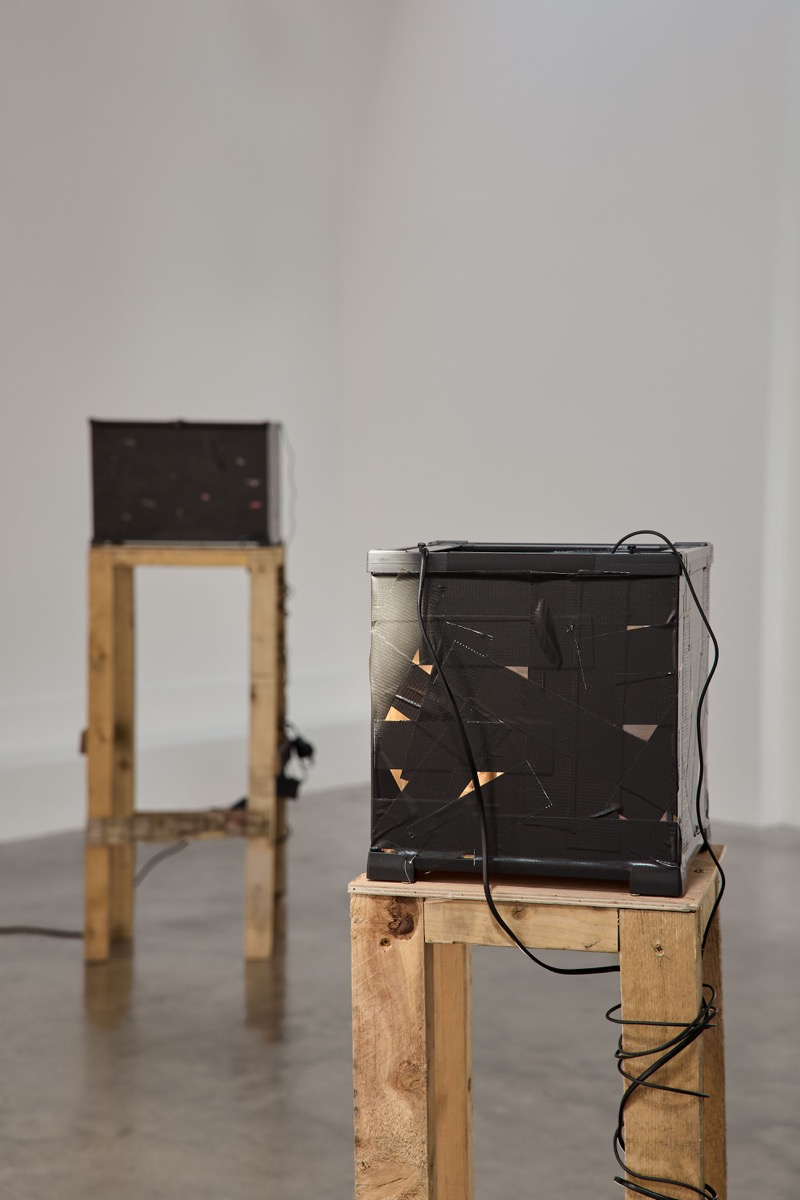
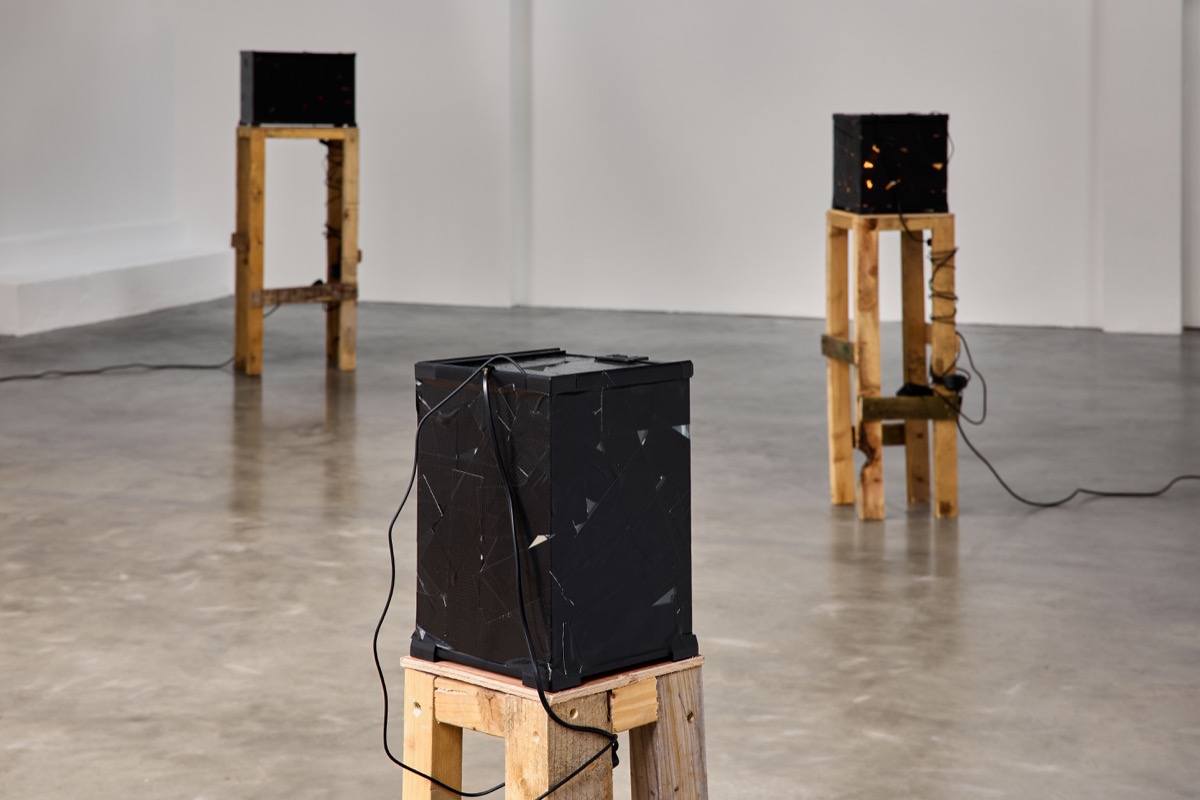
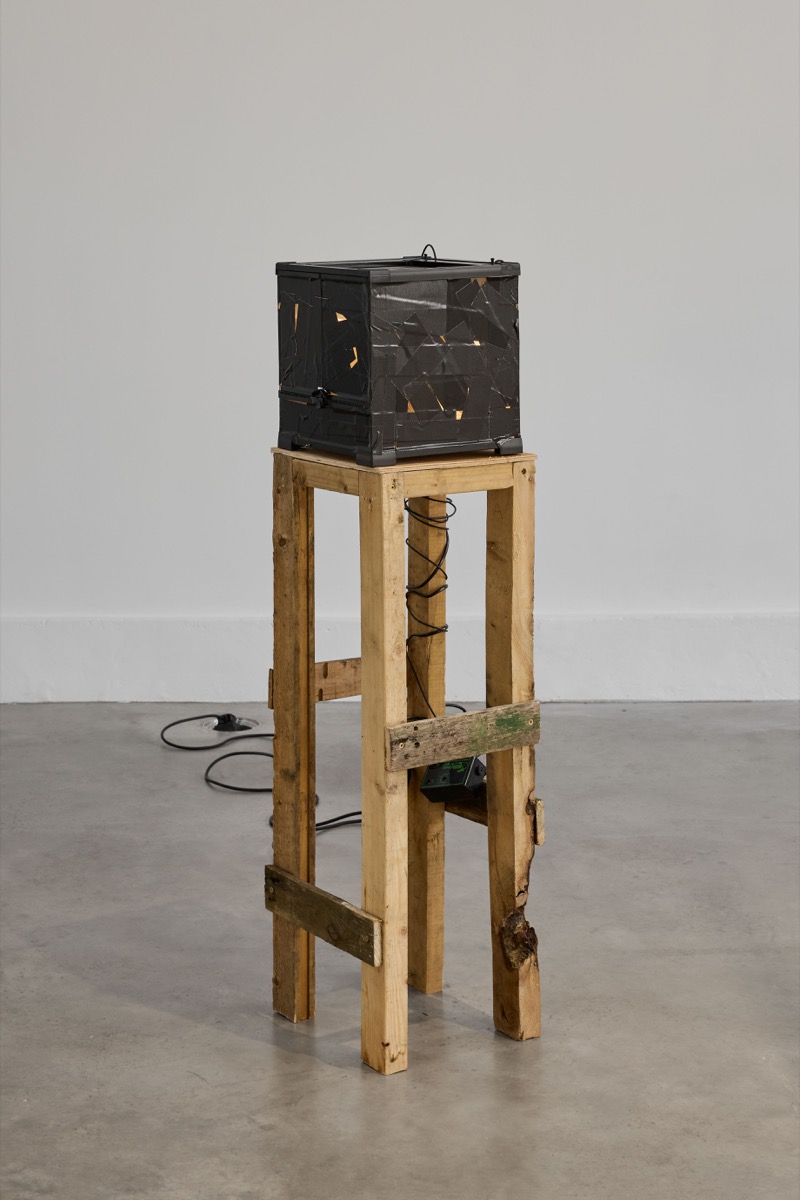
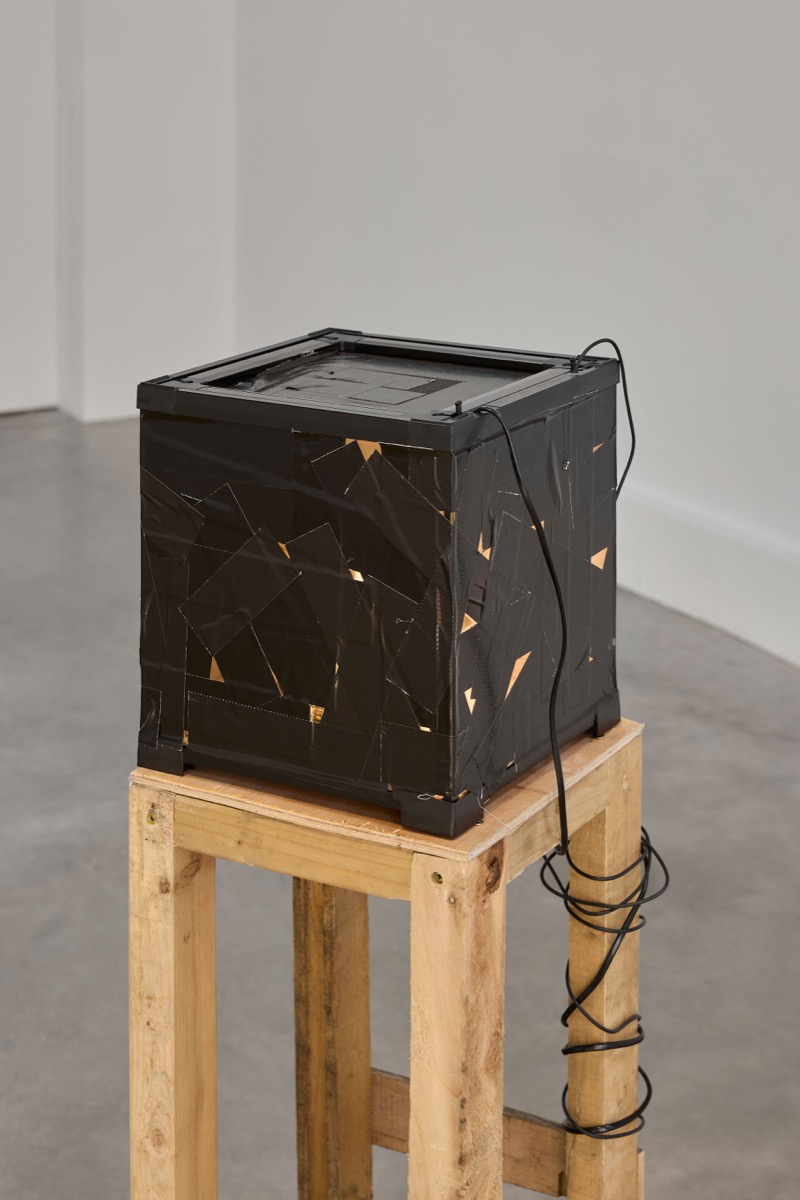
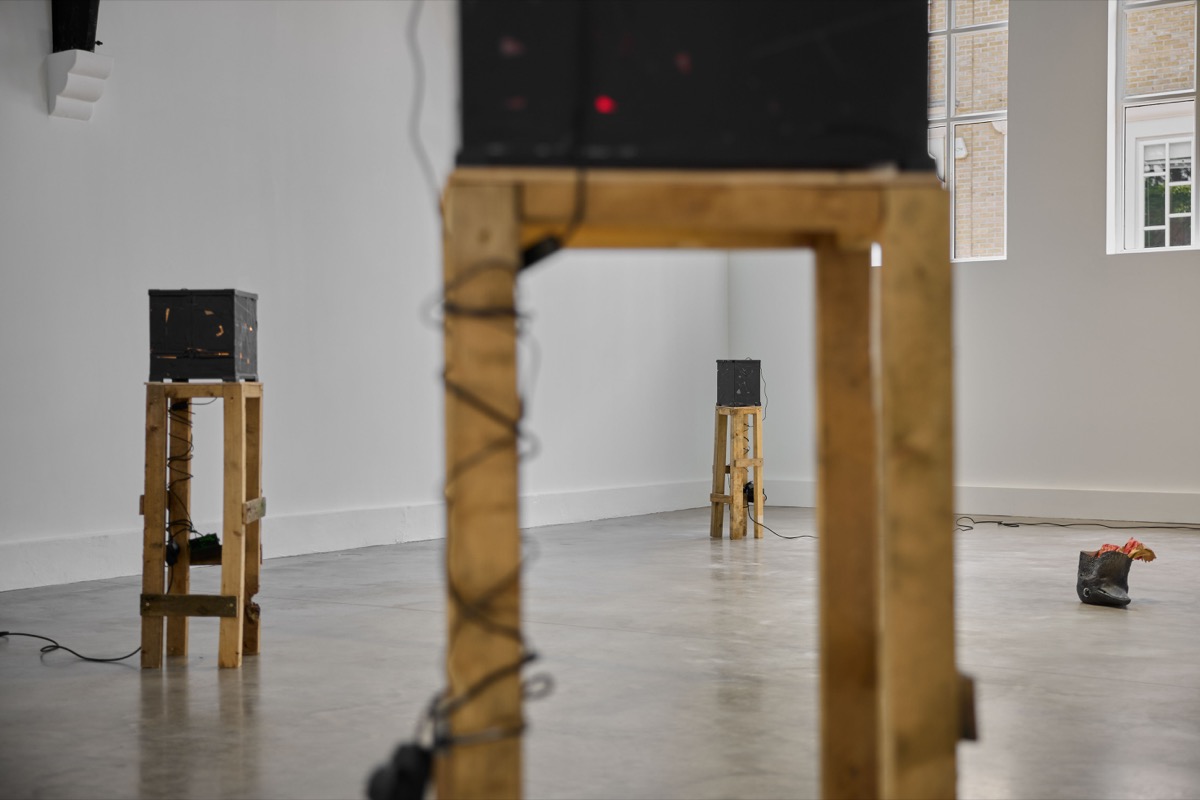
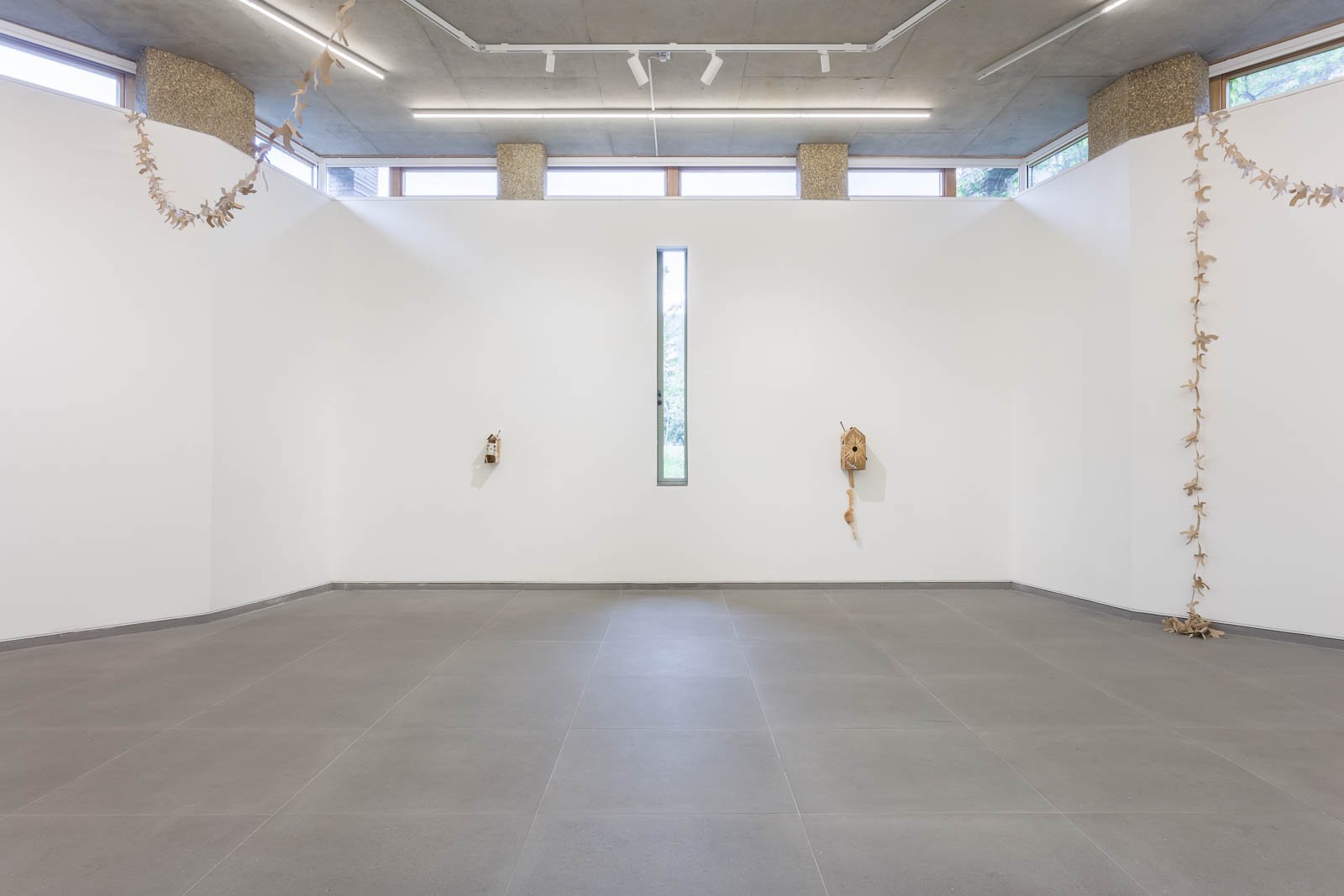
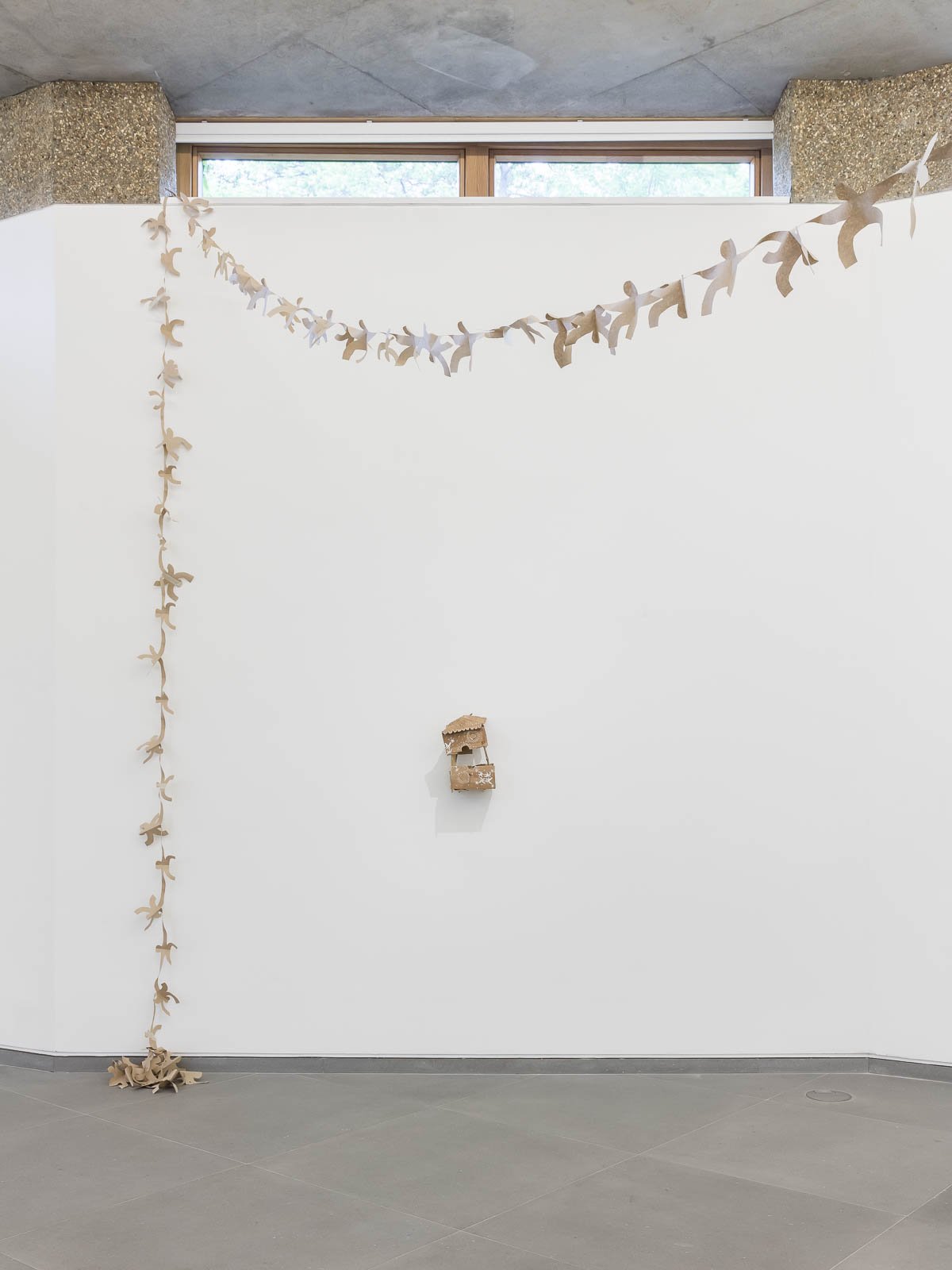
Installation view of Caspar Heinemann <em>Adduction</em> at Cabinet Gallery


Caspar Heinemann - Glorie | Cabinet Gallery, London
Caspar Heinemann
Sod All

7 May – 3 August 2025

Studio Voltaire, London

Press Release
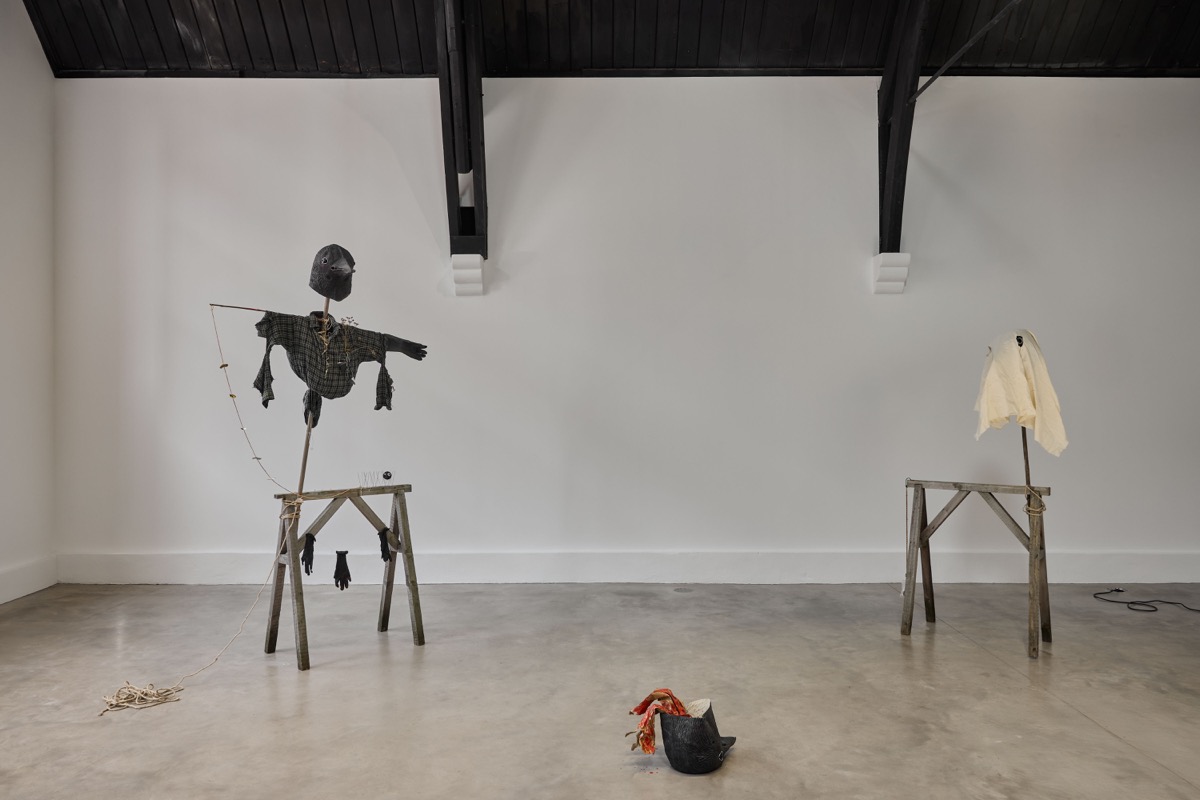
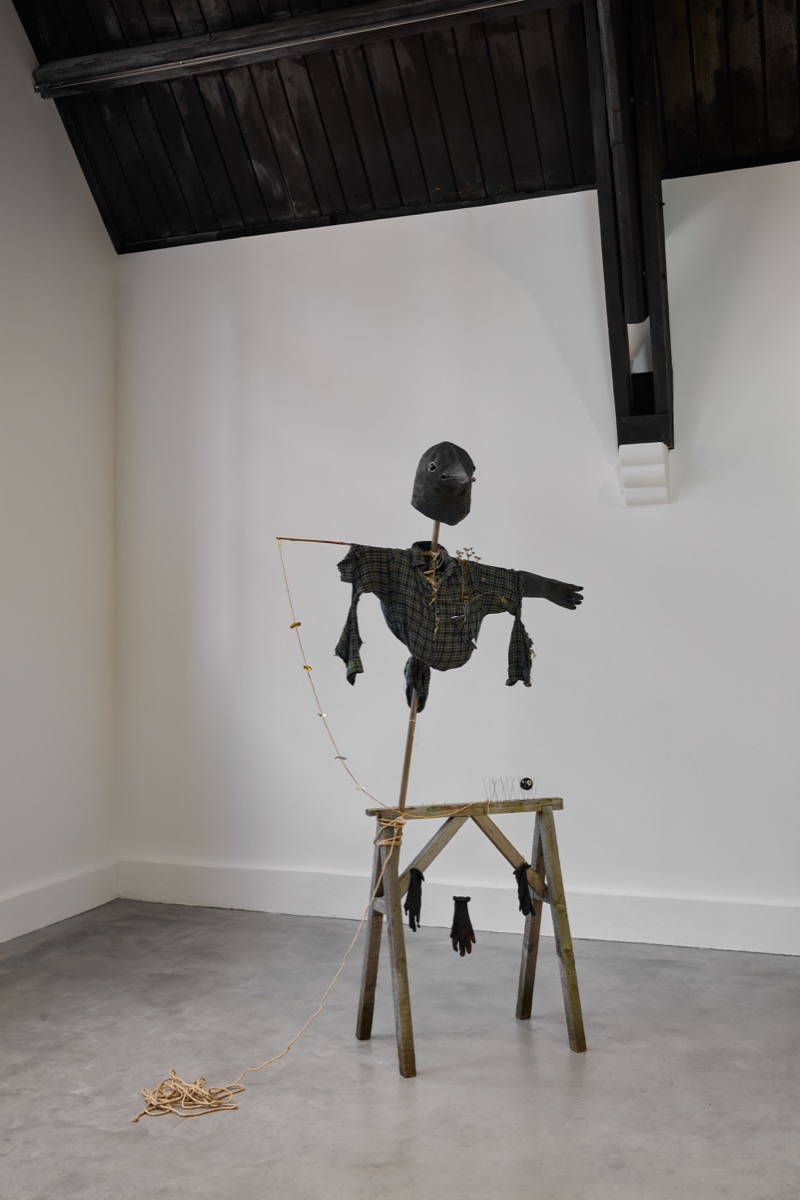
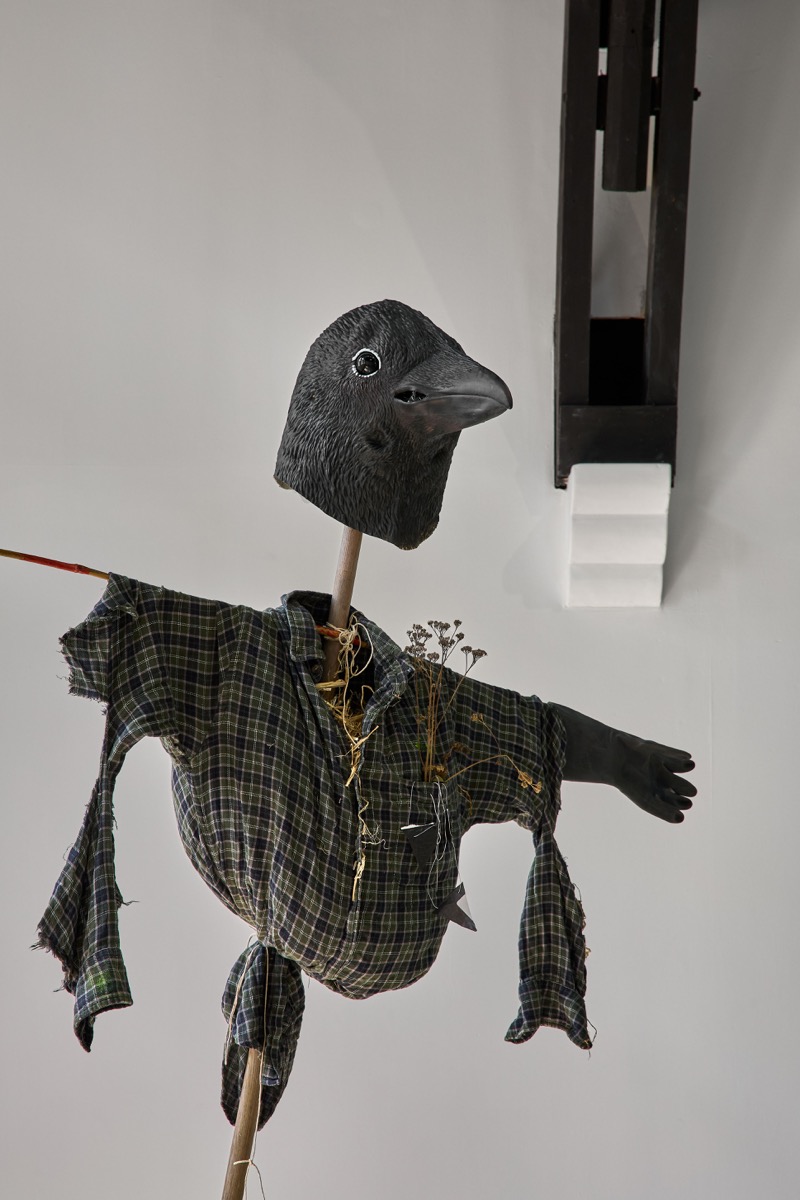
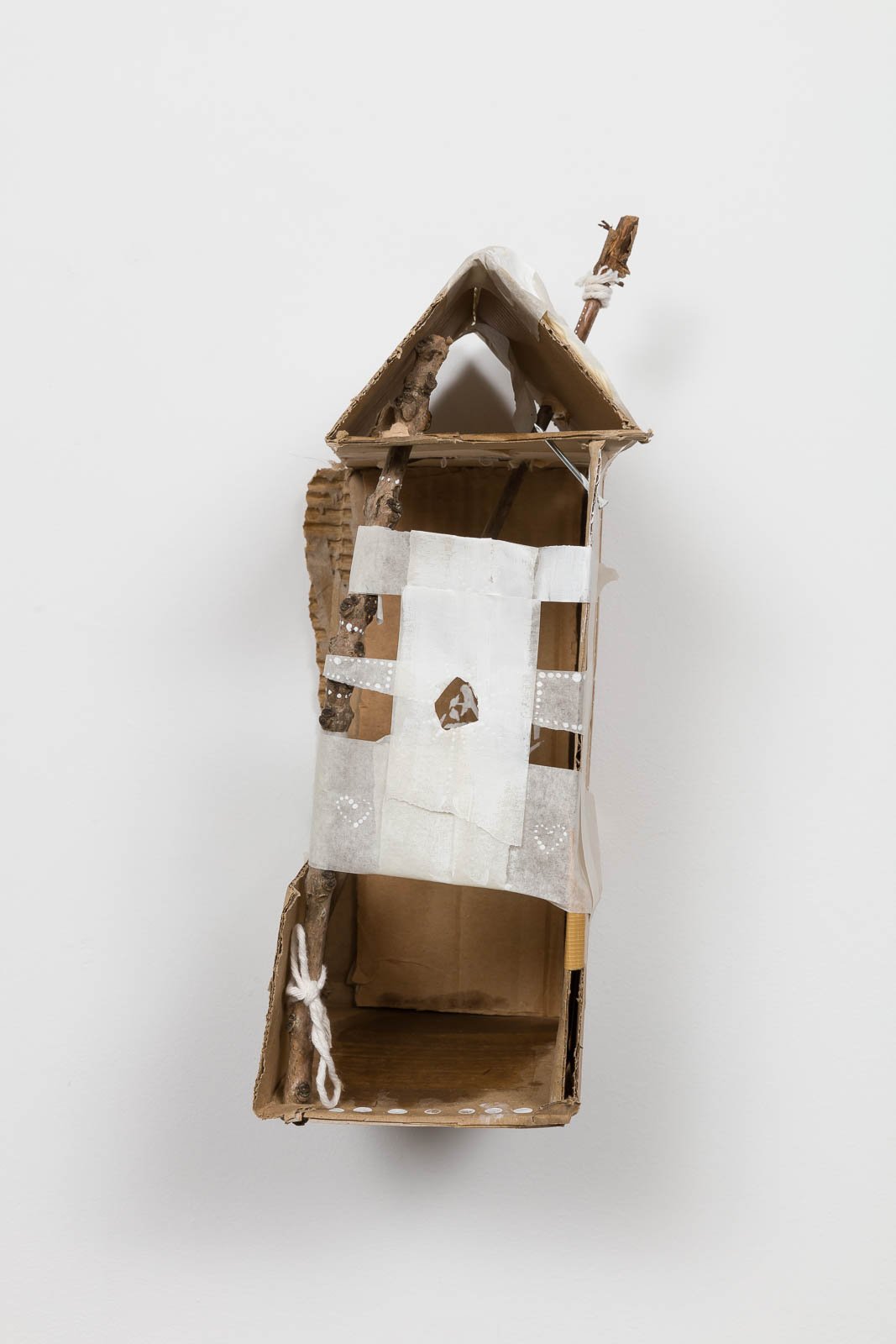
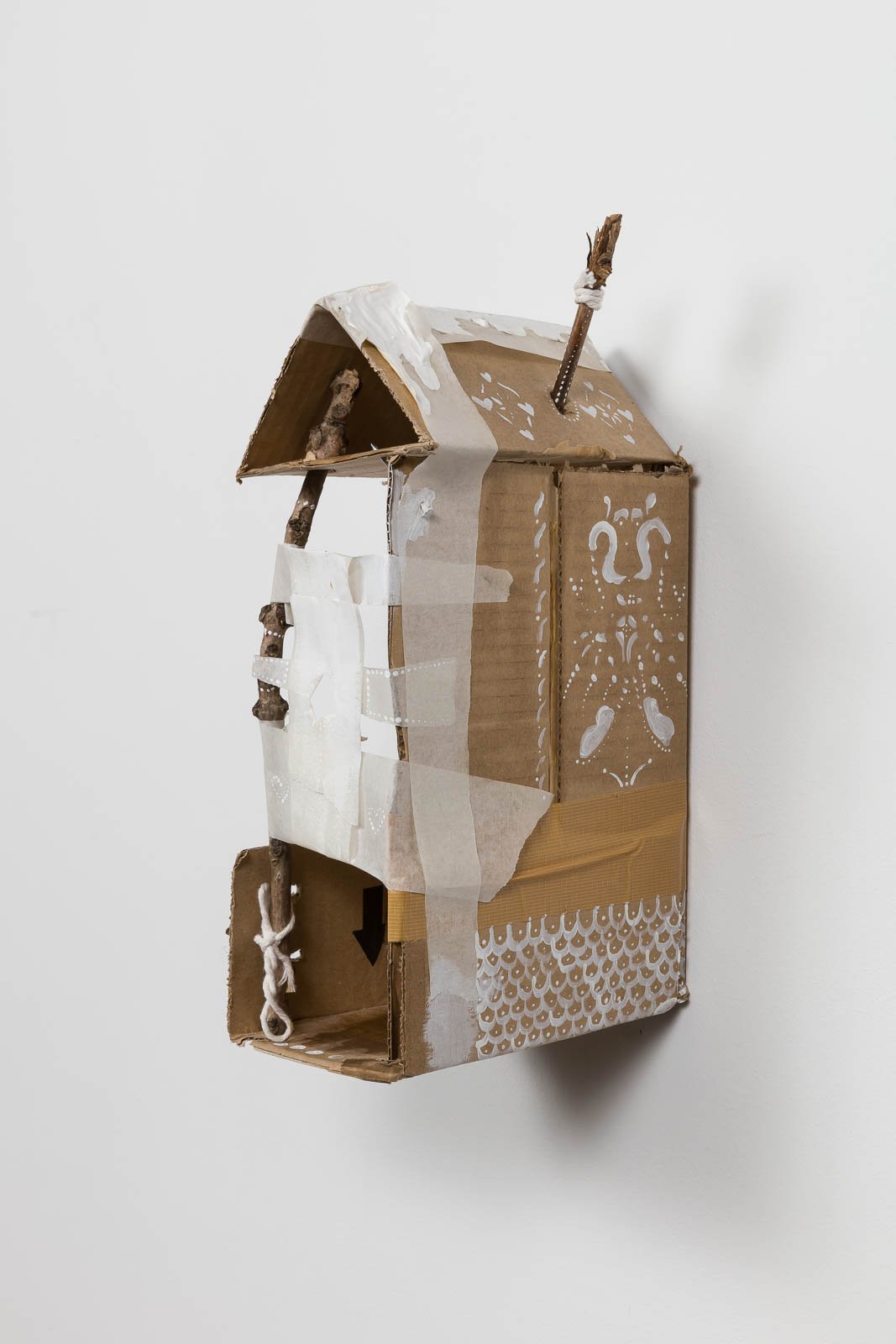
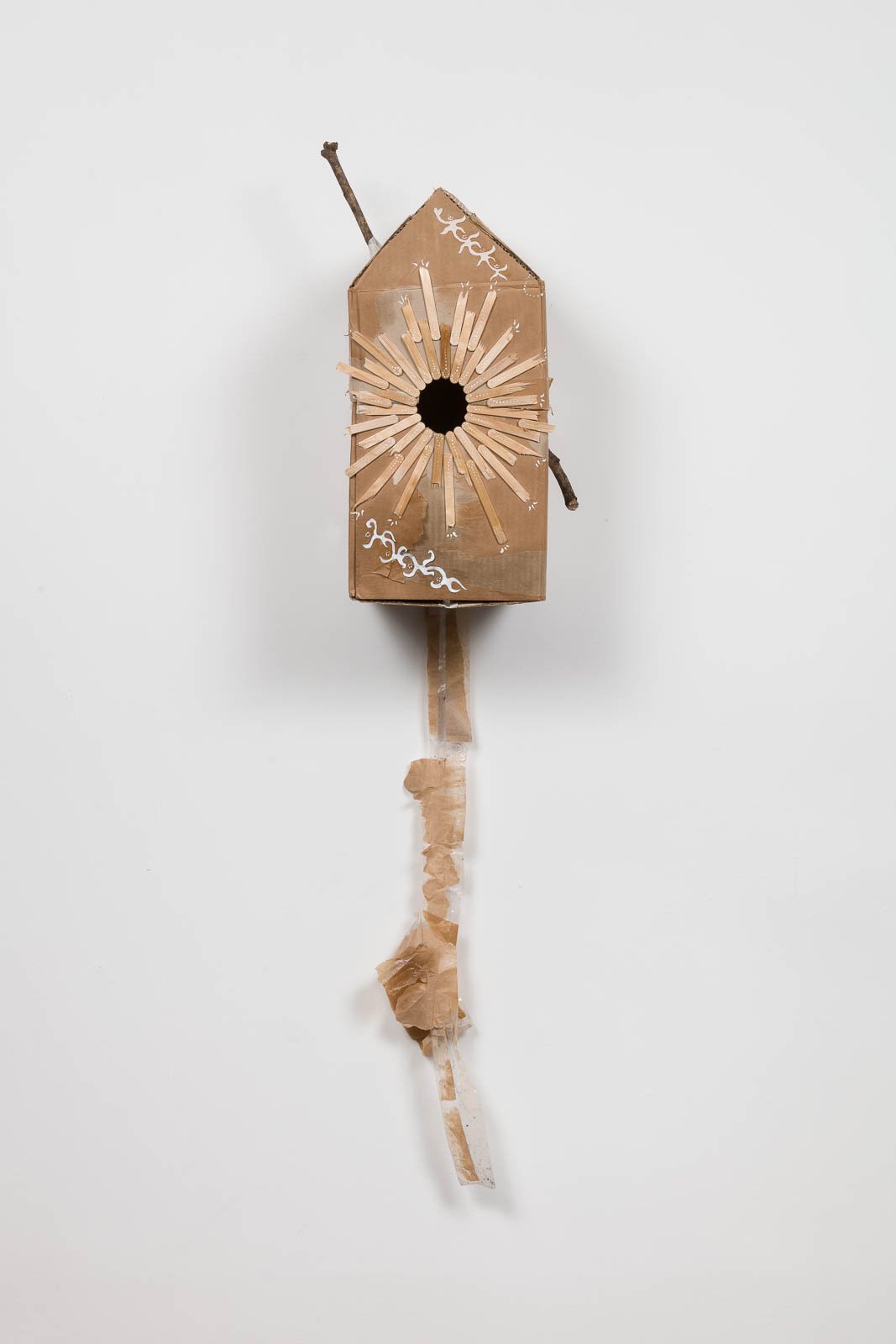
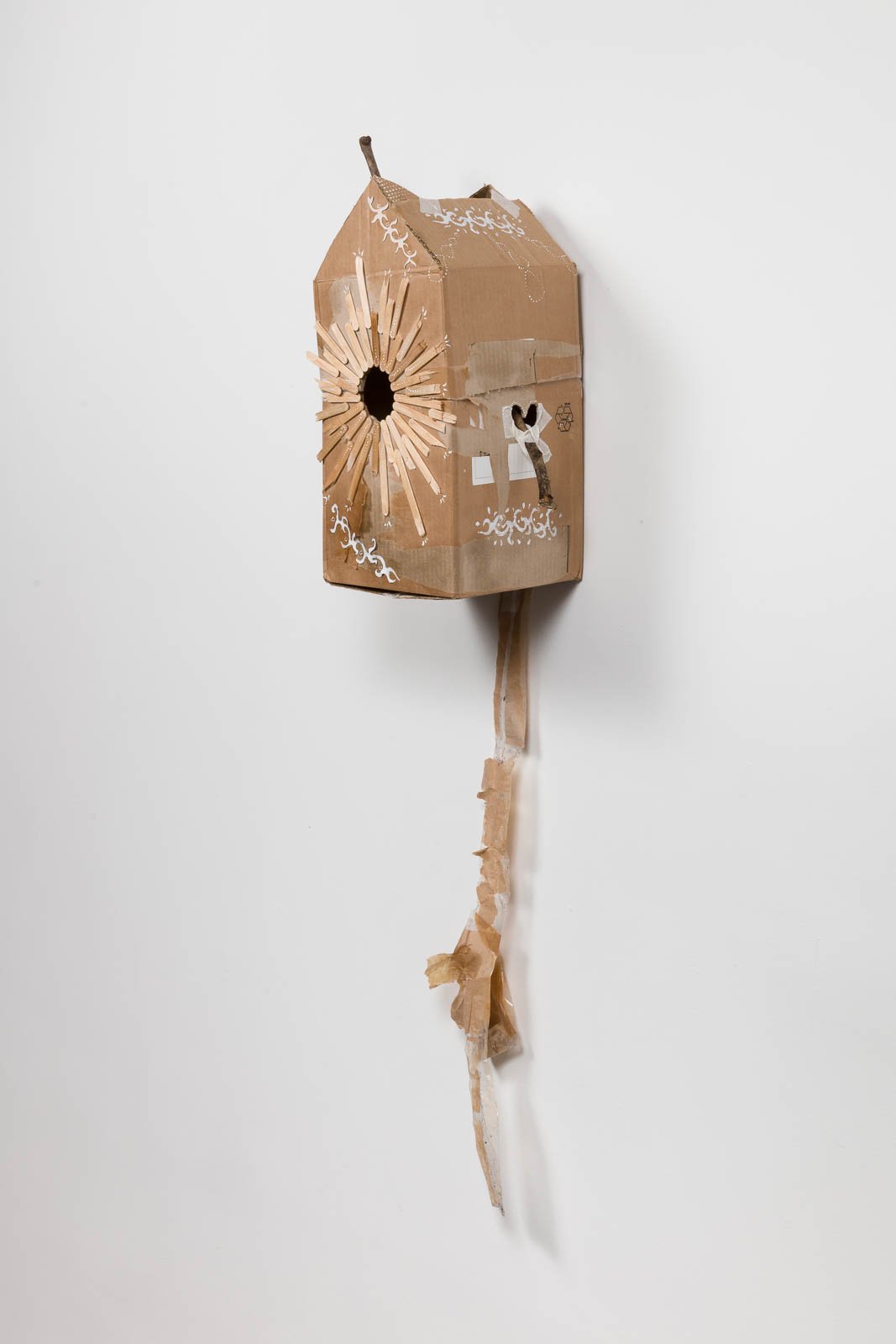
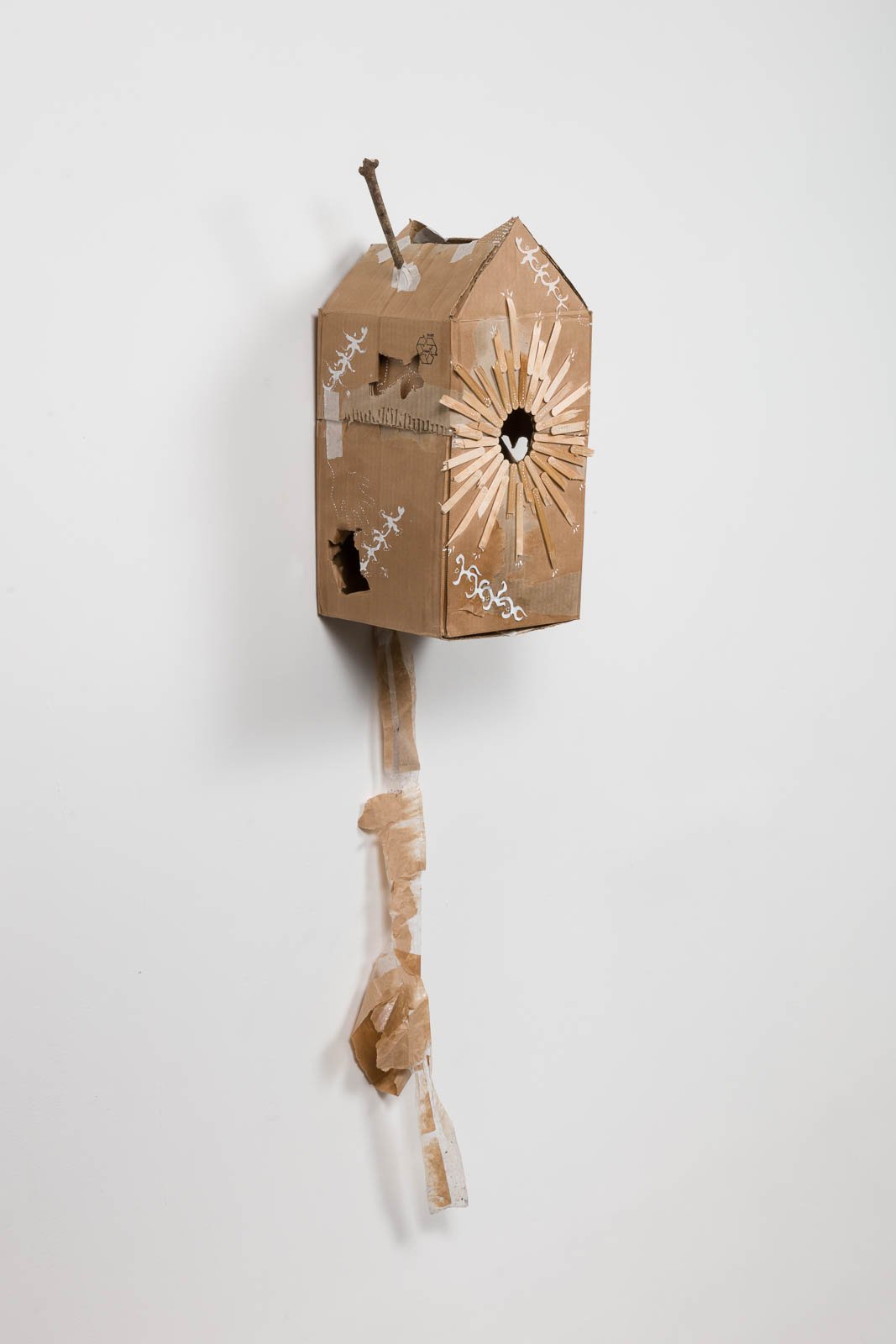
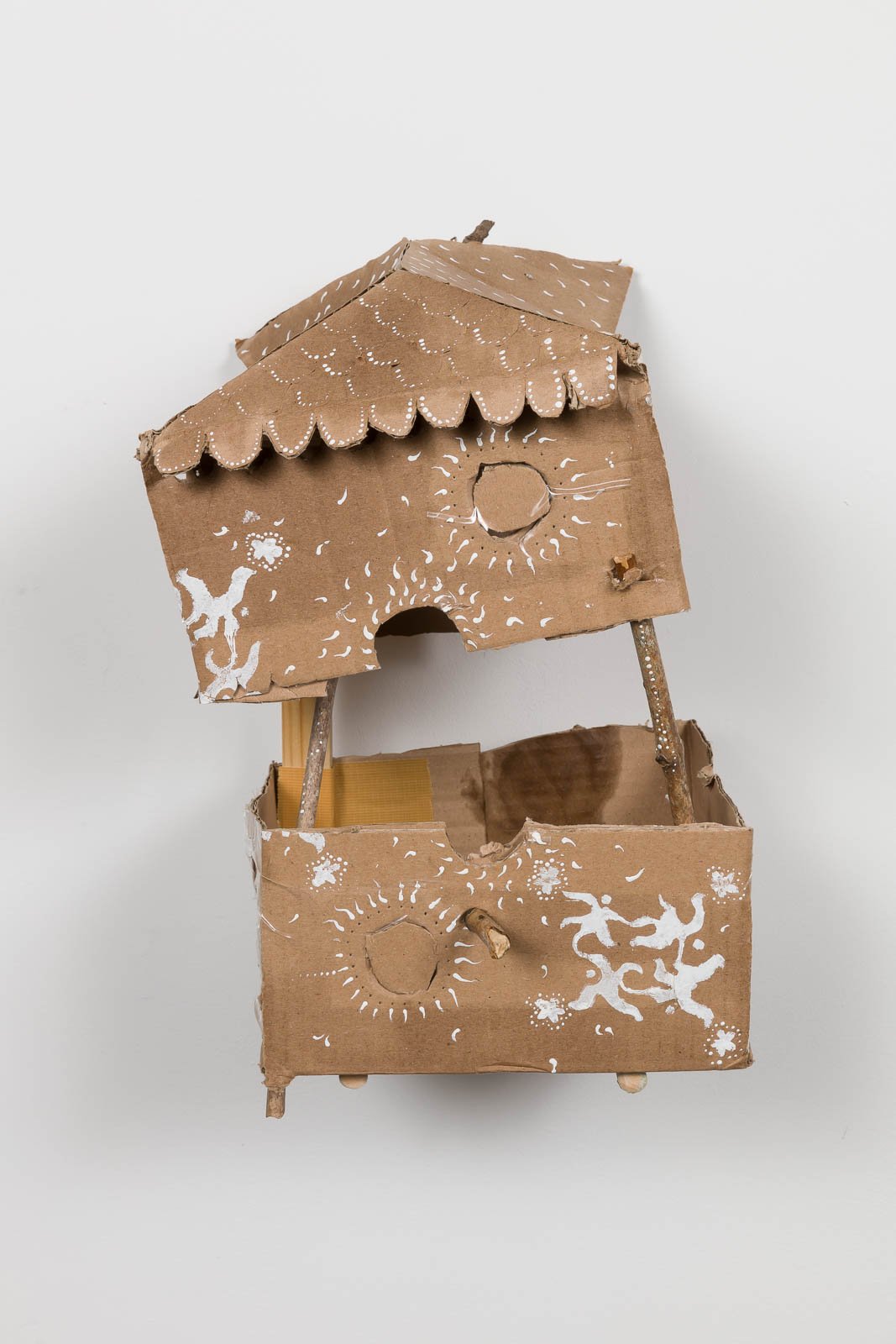
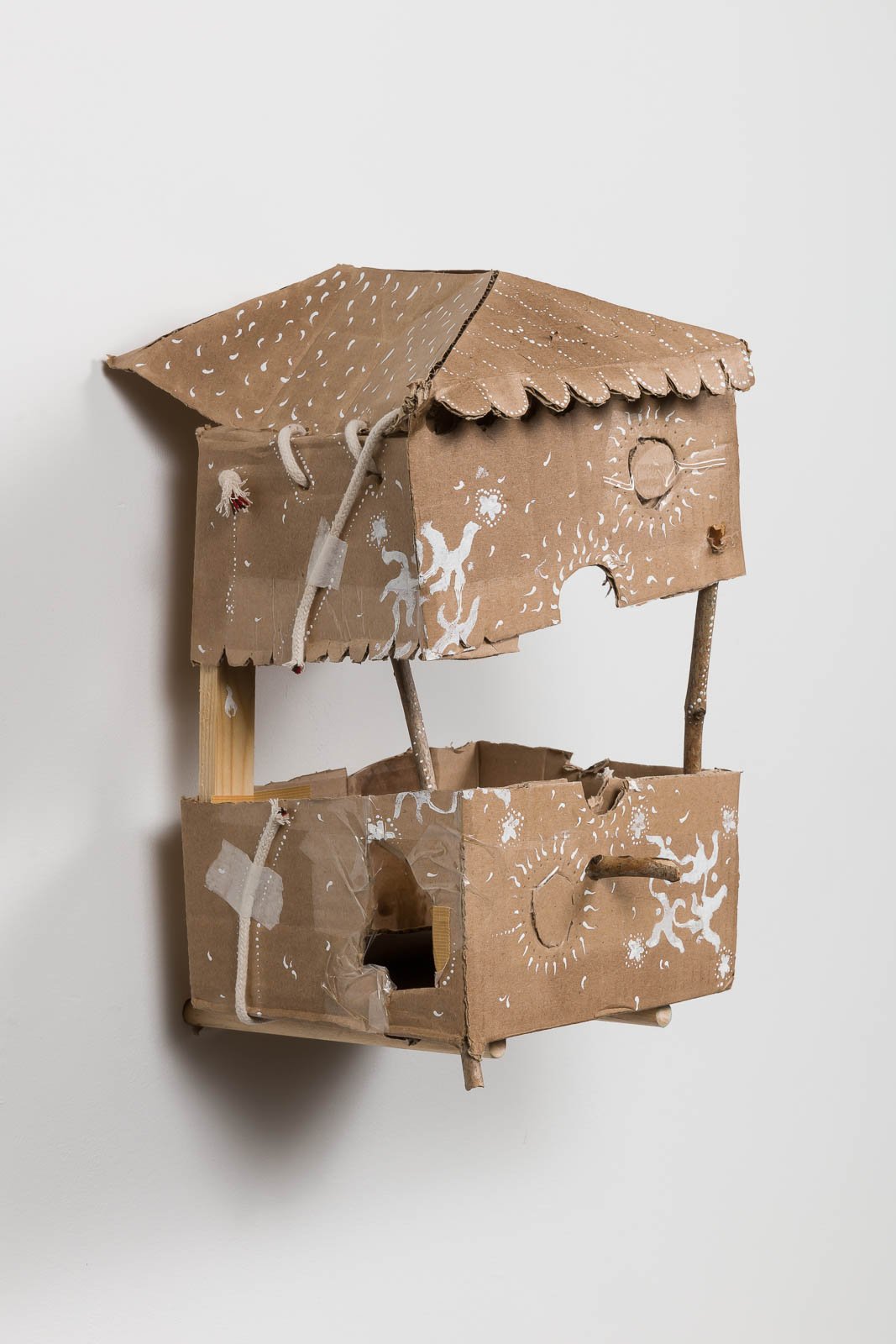
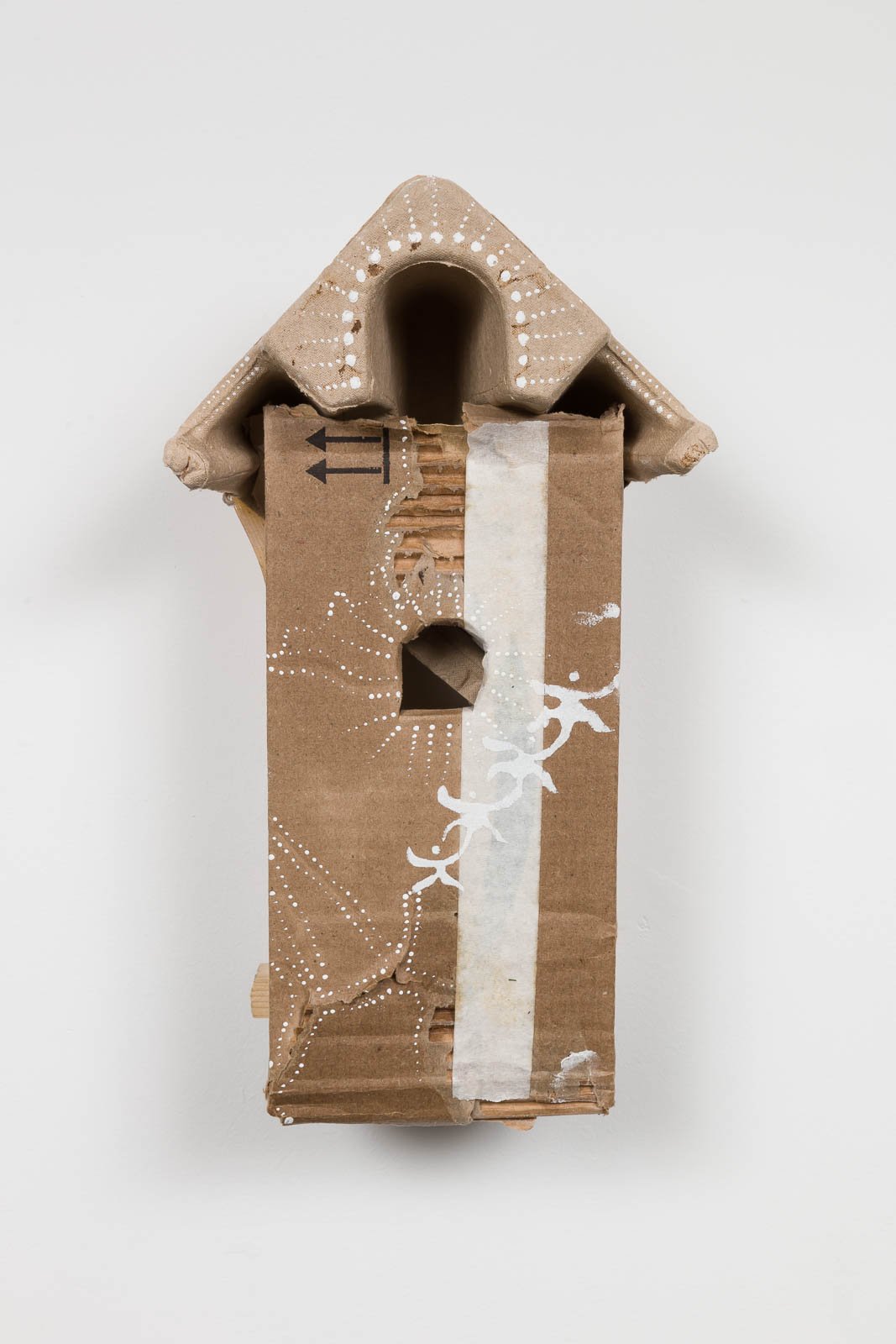
Drawing from the aesthetics of folk art and vernacular architecture, Caspar Heinemann (b. 1994, London), explores the interconnectivity of spiritual, political and sexual counterculture. This is the artist’s first solo institutional exhibition in the UK.
In his work to date, Heinemann’s subjects have evolved through speculative fiction, such as a revisionist biography of Ted Kaczynski, otherwise known as the Unabomber. He has referenced early Gay Liberation Front actions, Mary Whitehouse’s campaigns against homosexuality and the 1990s anti-roads movements in the UK. Developing these narratives across sculpture, performance, writing and drawing, Heinemann considers how queer storytelling might be harnessed as a mode of opposition.
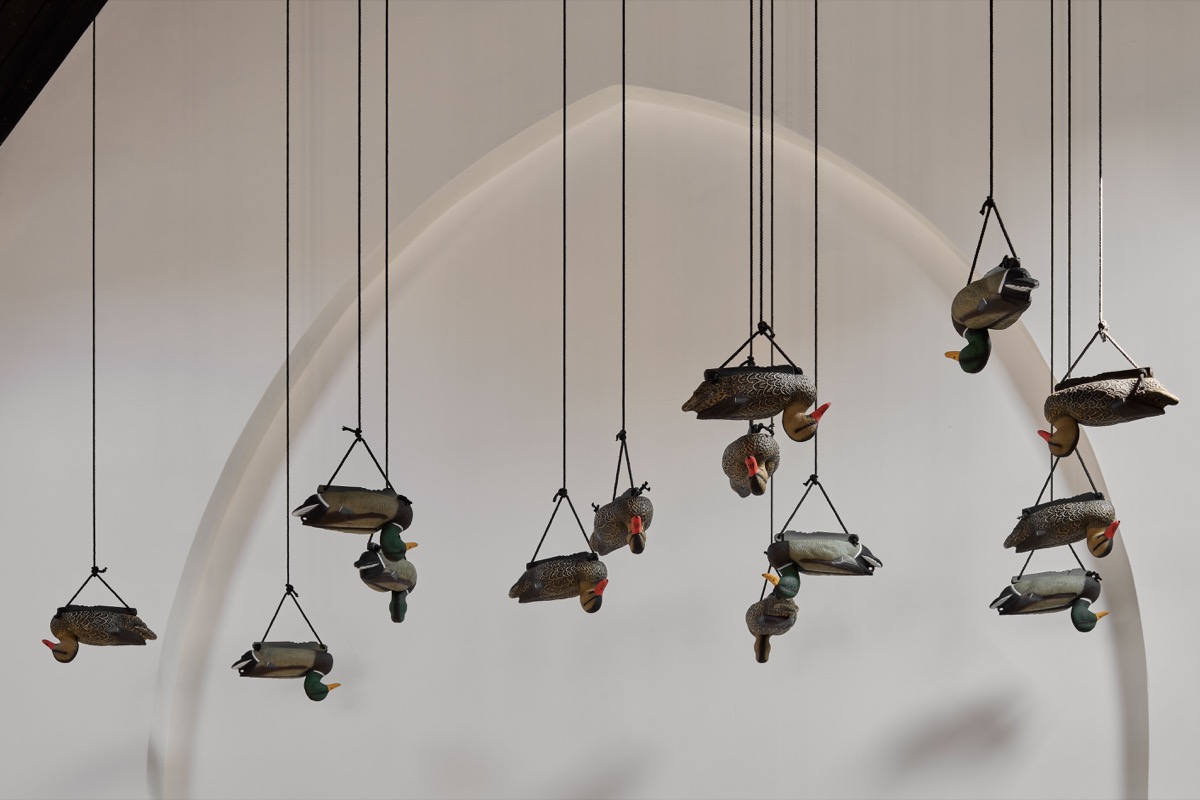
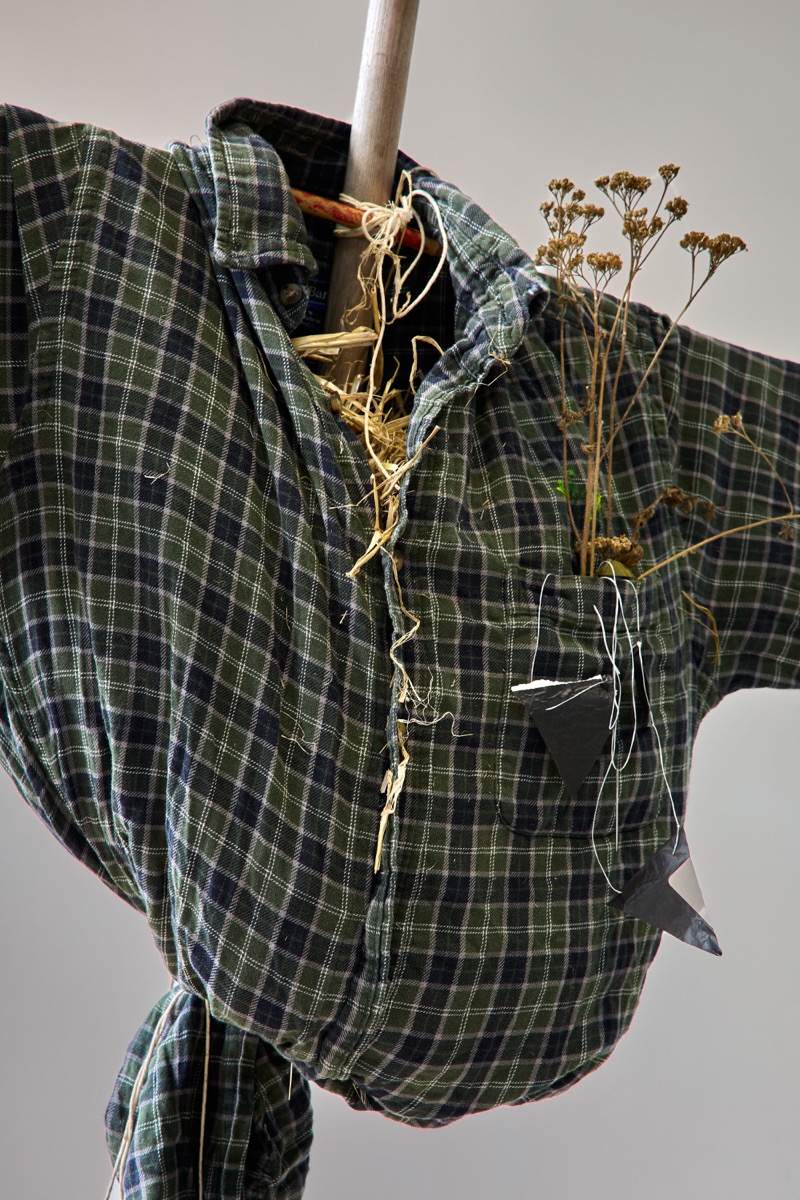
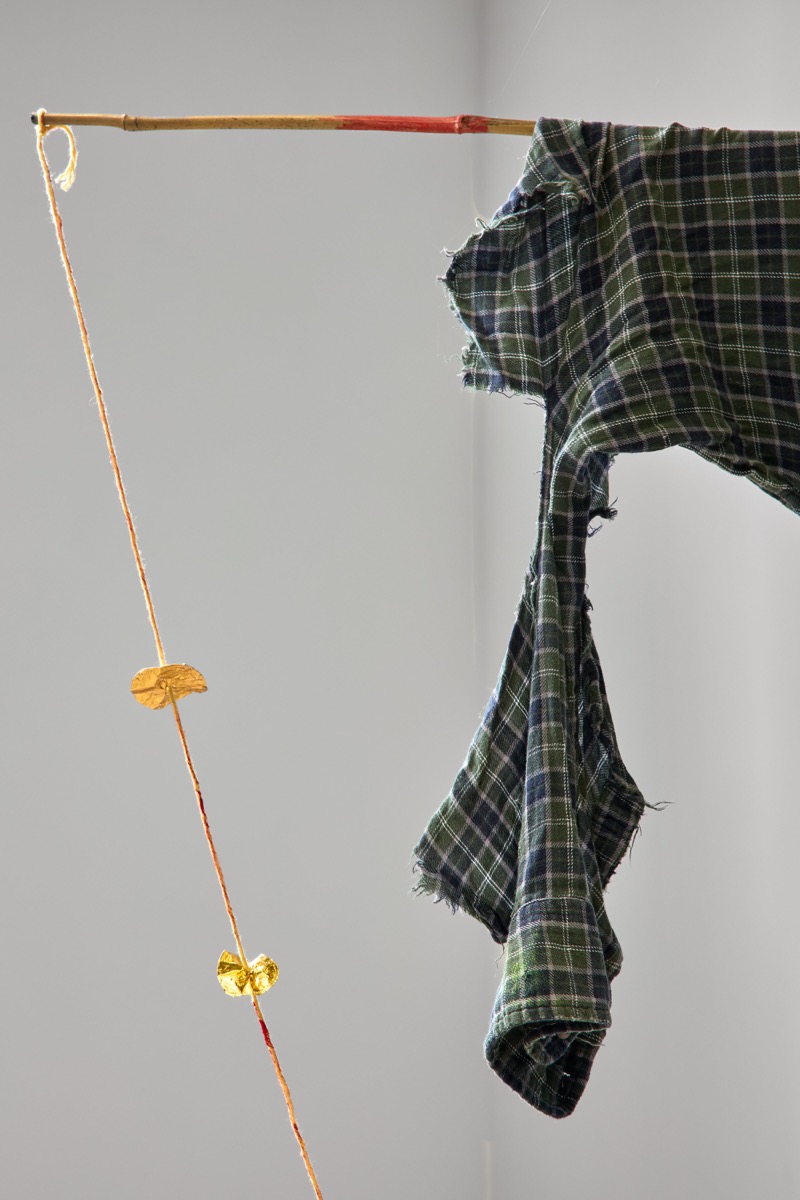
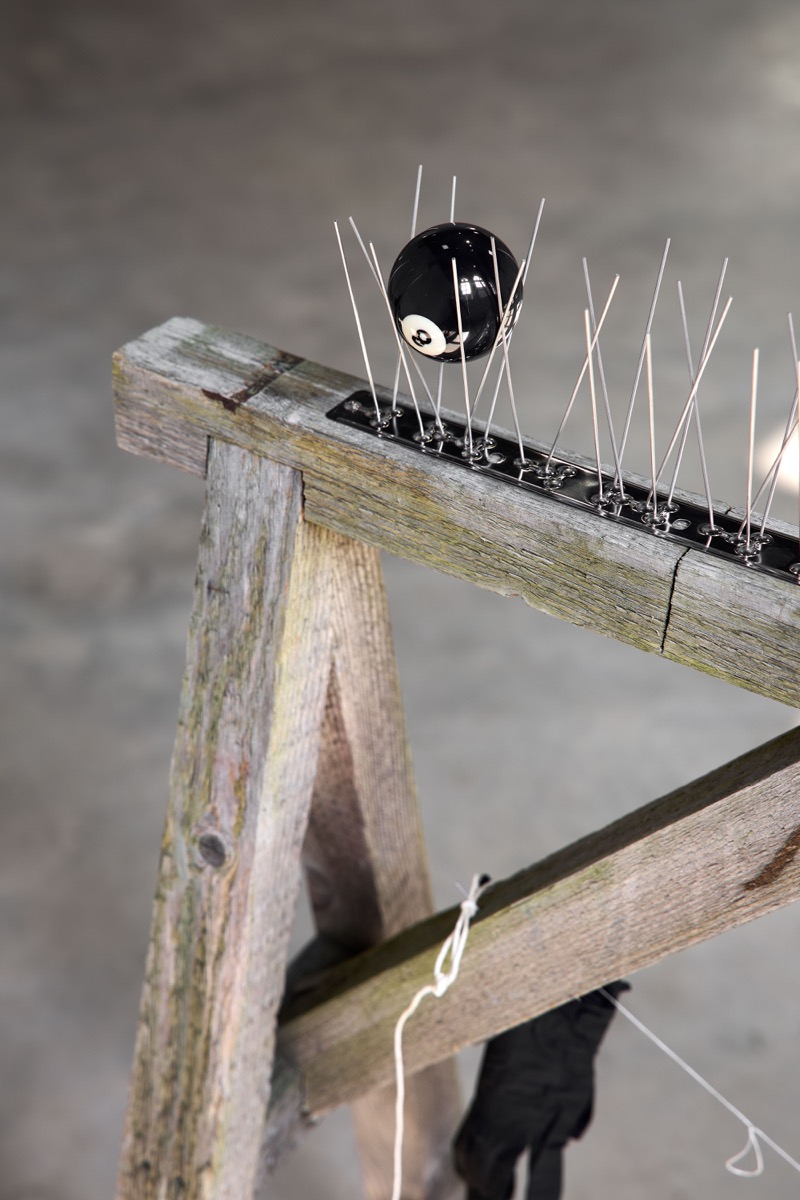
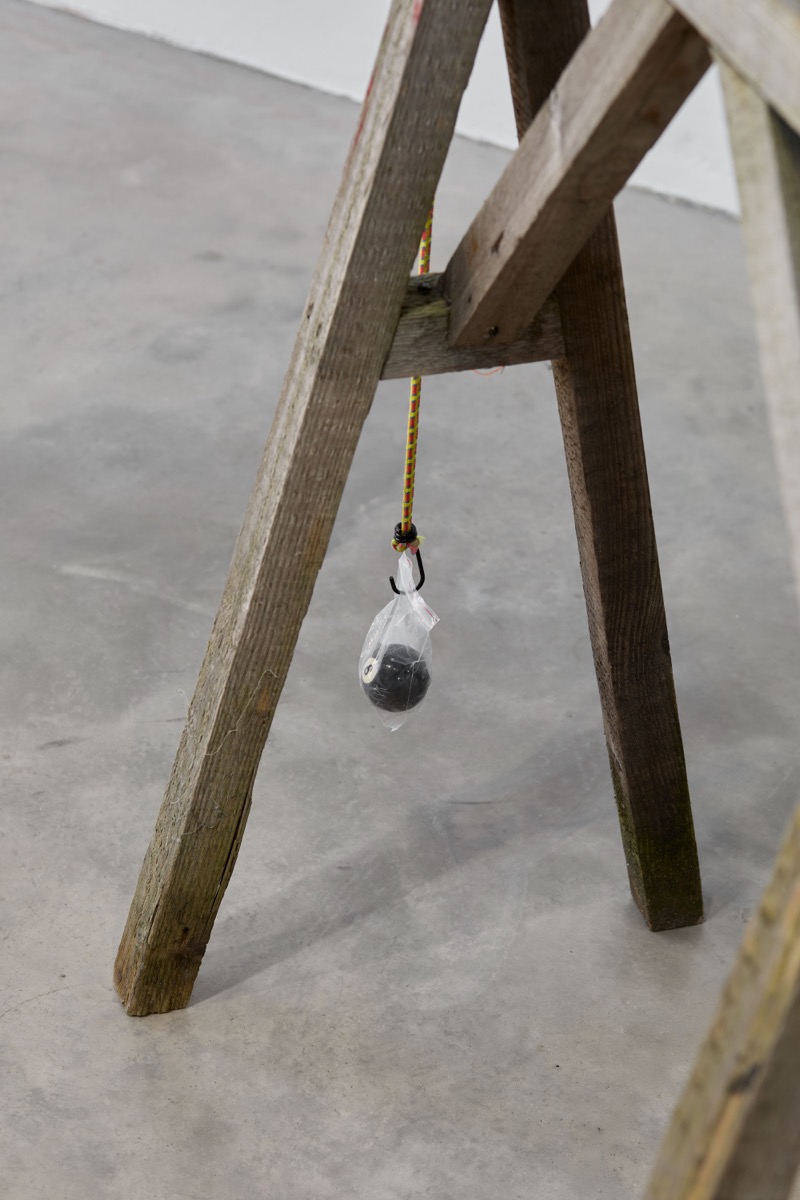
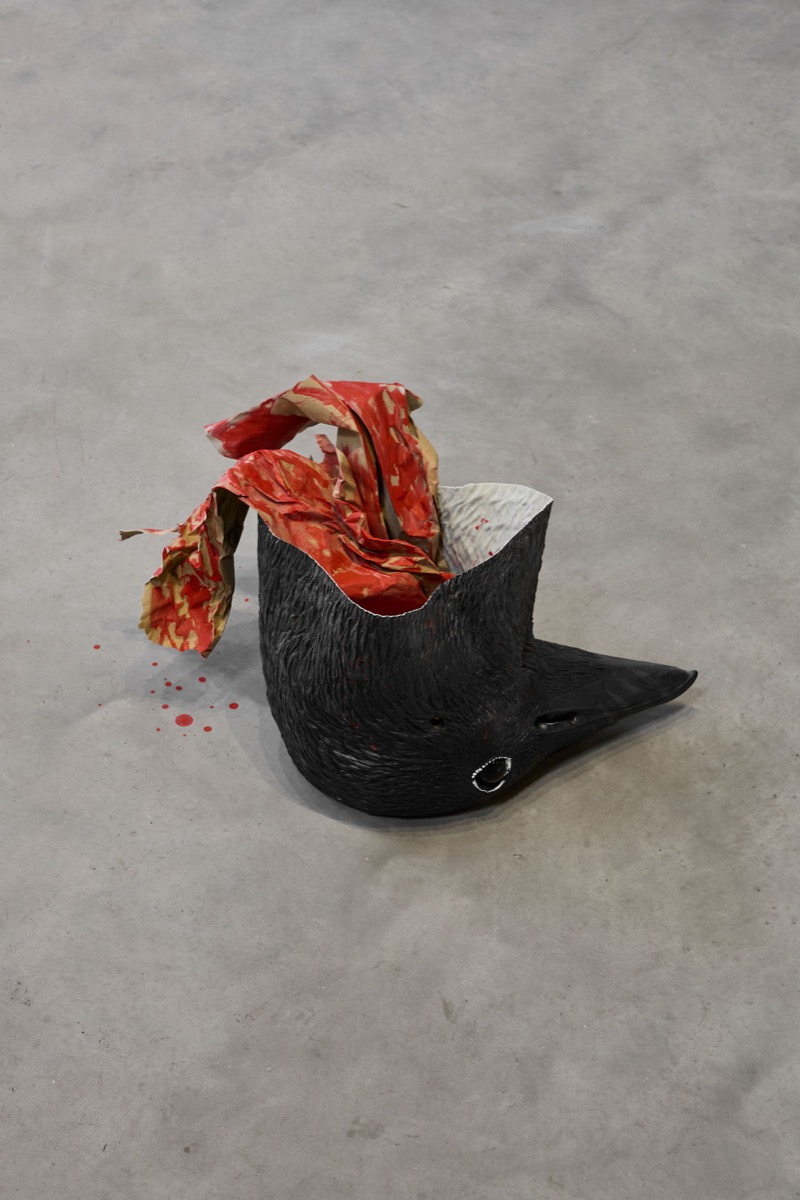
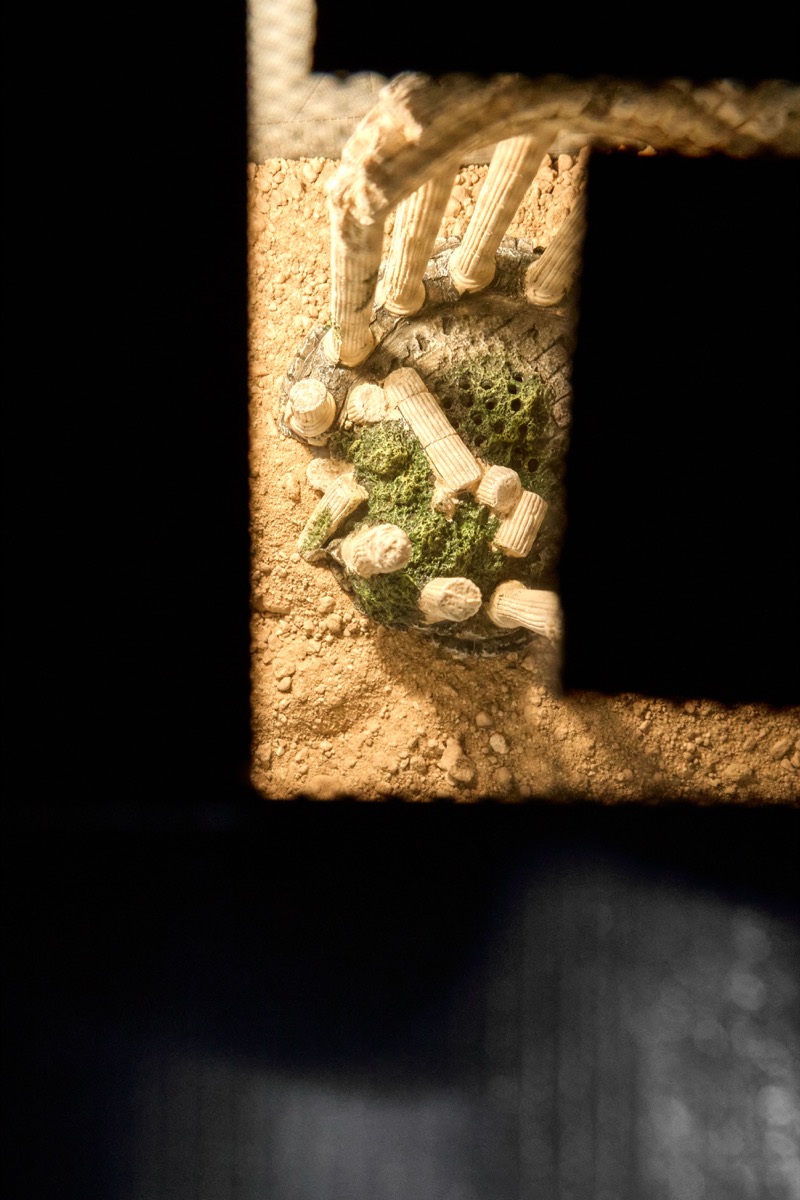
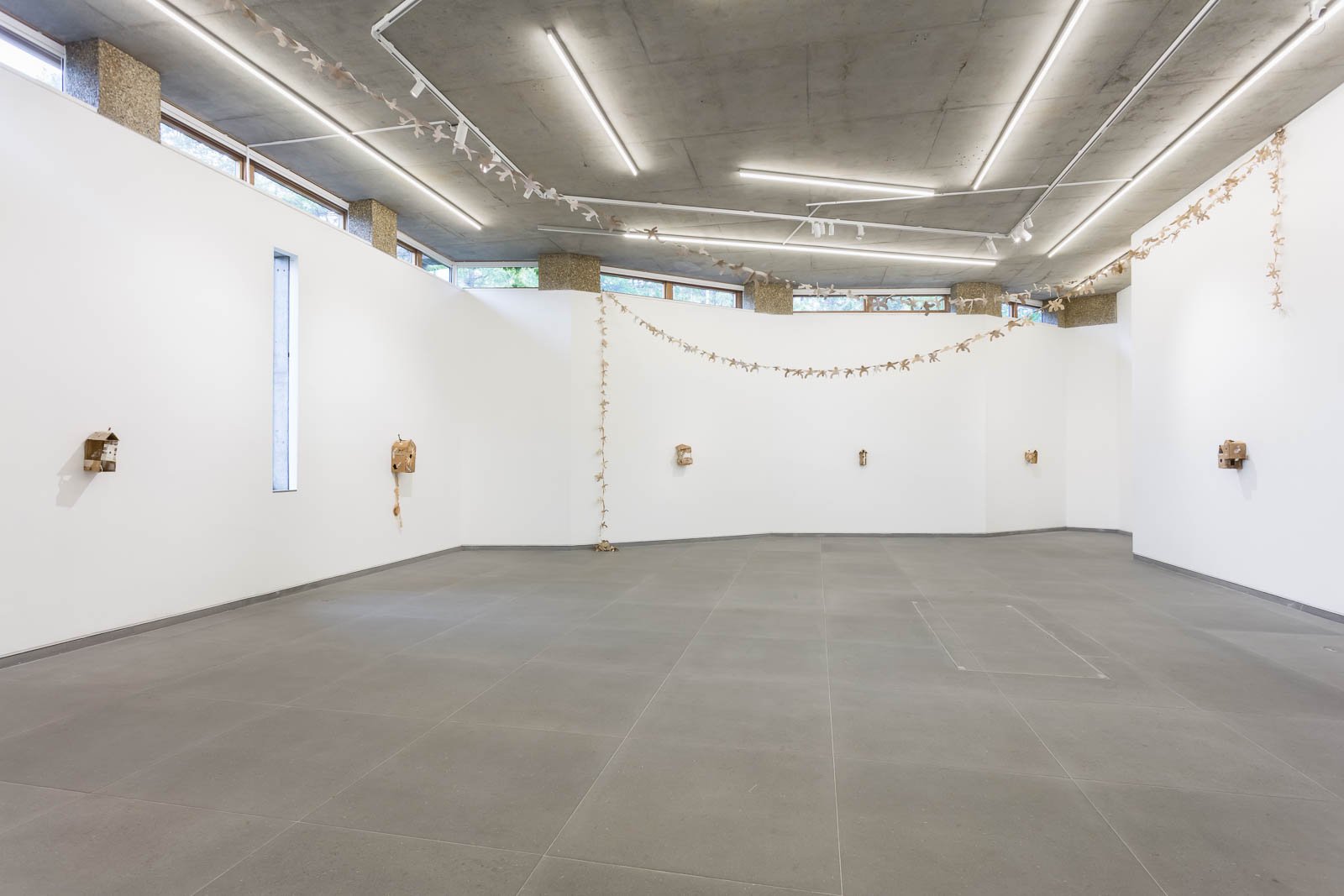
At Studio Voltaire, Heinemann will utilise objects commonly used to attract or repel. Playing with transformation and scale, Heinemann’s exhibition will include miniaturised, diorama-like assemblages alongside a major site-specific installation, suspending a series of sculptures from the ceiling to upend the audience’s viewpoint.
The unifying concept for this new body of work is the word sod. The term has multivalent applications, variously meaning the ground, the soil itself, or a person’s native ground. It can also refer to an unfortunate man, a gay man, a lucky man; used to express something difficult, or feelings of anger. In Biblical Hebrew, sod is an untranslatable word, often interpreted as ‘secret’, but also as meaning a council or circle, and the highest level of mystical interpretation.
The exhibition follows an onsite production residency, during which Heinemann is furthering his explorations of the politics of land, folk revival and spiritual histories.


Caspar Heinemann
Glorie

14 May - 25 June 2022

C A B I N E T
132 Tyers Street
London SE11 5HS
art@cabinet.uk.com
www.cabinet.uk.com